
The local sheep
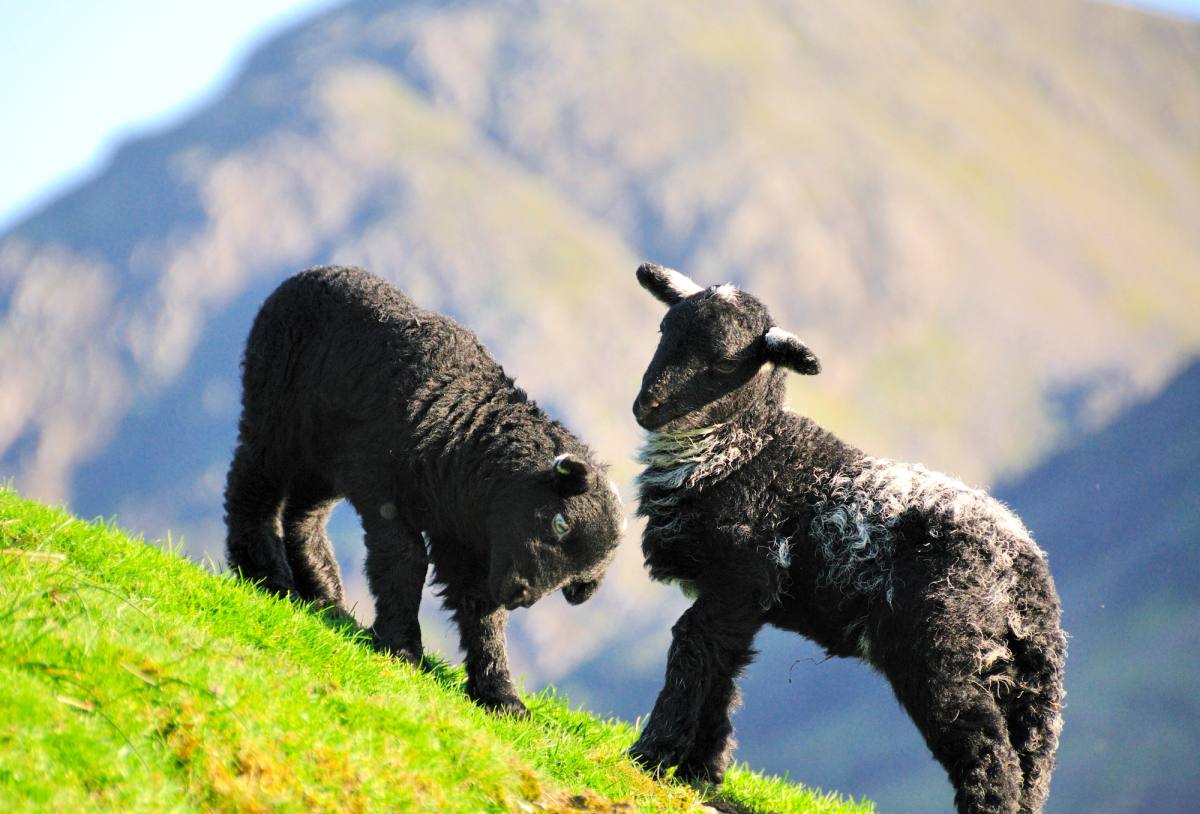
Herdwick sheep are native to the Lake District fells and survive alone on the mountains all winter. They never stray from their heaf — the area of hillside where they were suckled as lambs — which is knowledge passed from ewe to lamb rather than anything a fence does.
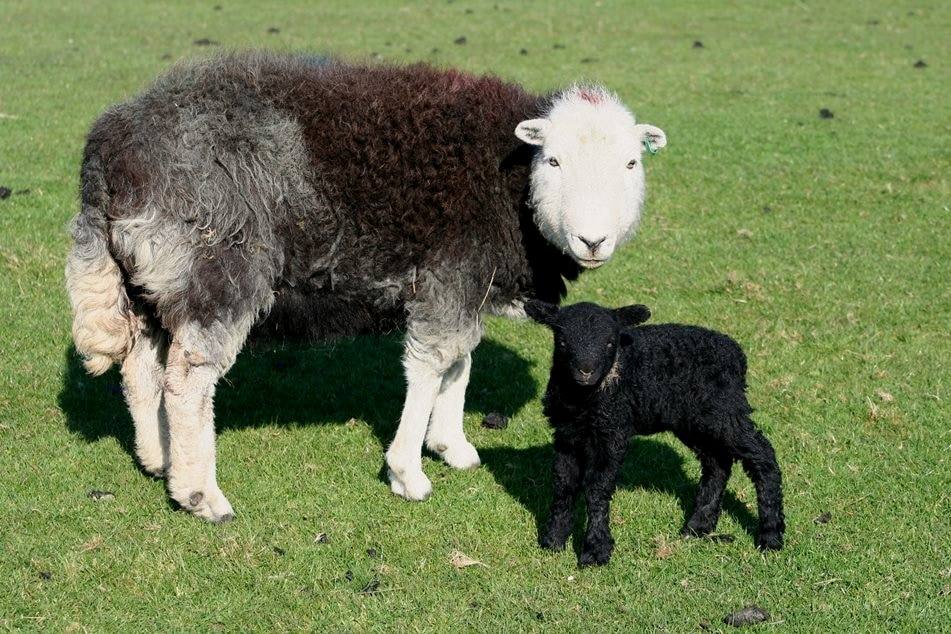
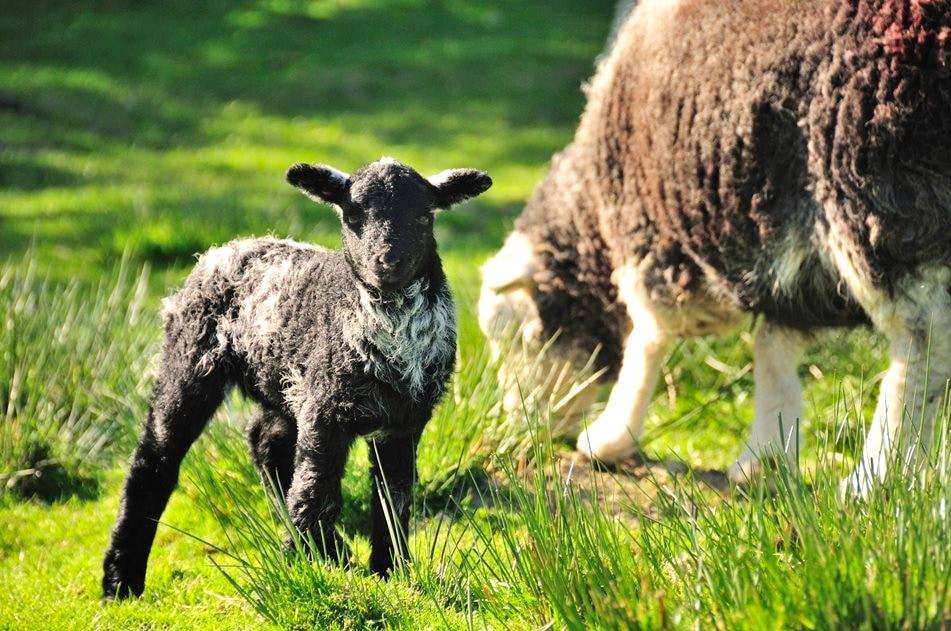
You can recognise one easily: white face, white legs, and a coat that changes from black as a lamb to blue-grey as it ages. The rams are easier still. They have horns.
What the wool is for
Herdwick wool is widely used in carpet making and in knitwear, and the fleece is also blended with Swaledale to make loft insulation. It is coarse, hard-wearing stuff — which is the point of it.
Counting them
Shepherds are said to count up to fifteen or twenty, then move a small stone from one pocket to the other and begin again — keeping the score in stones rather than in their head.
The numerals themselves are older than English:
- Yan
- Tyan
- Tethera
- Methera
- Pimp
- Sethera
- Lethera
- Hovera
- Dovera
- Dick
Lambs outside the window
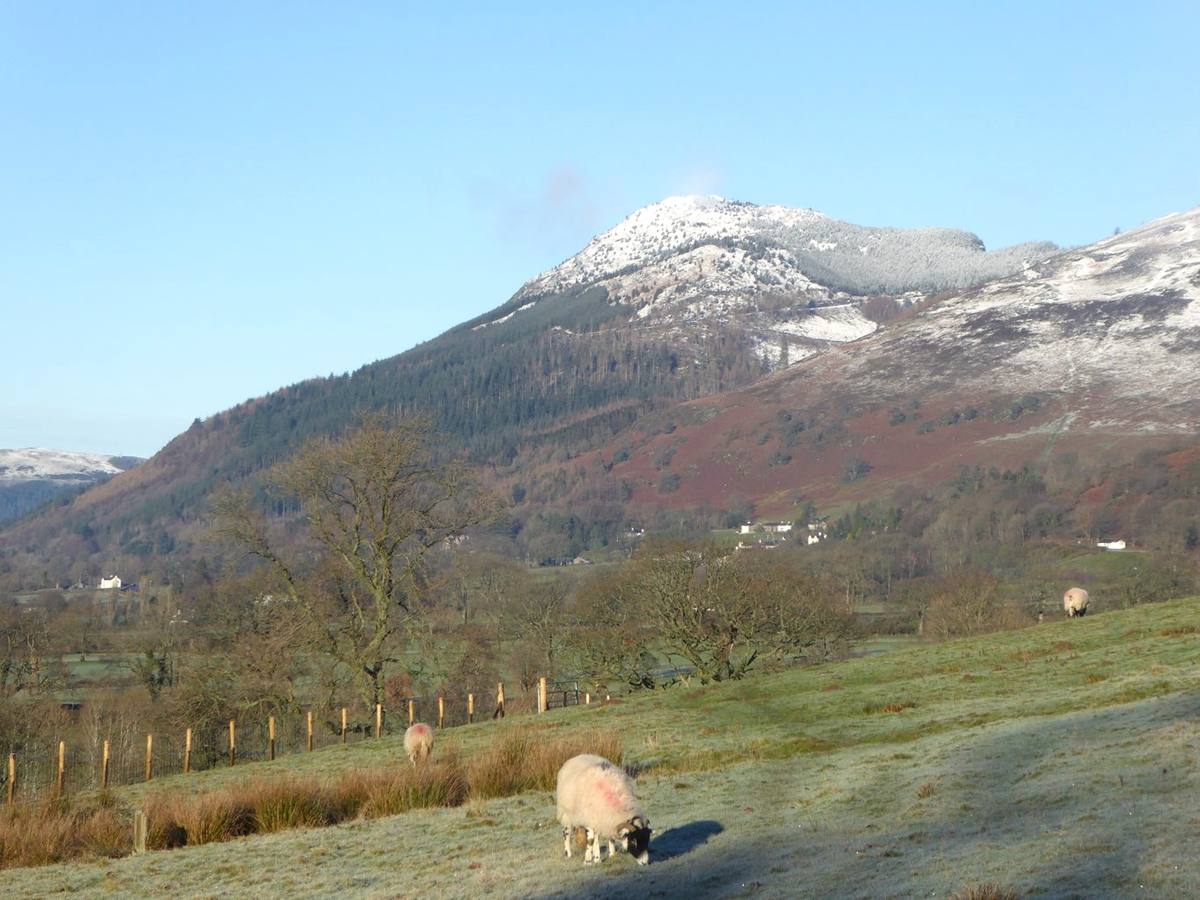
Lambing is roughly April into May, and it happens in the fields around every one of the villages near Keswick. Stay somewhere rural at the right time of year and you will open the curtains onto it.