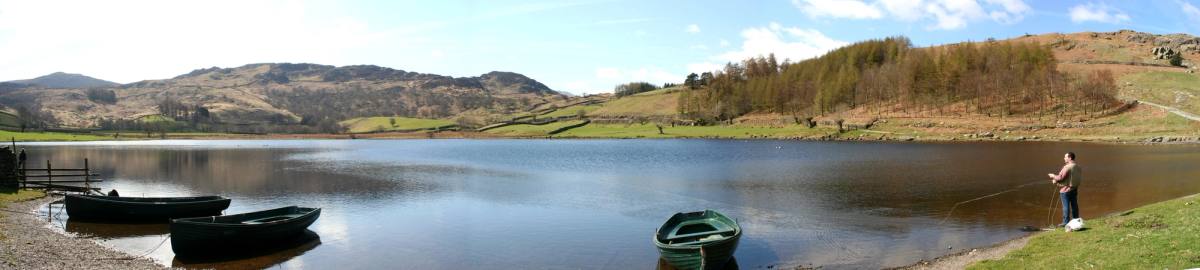

What a tarn is
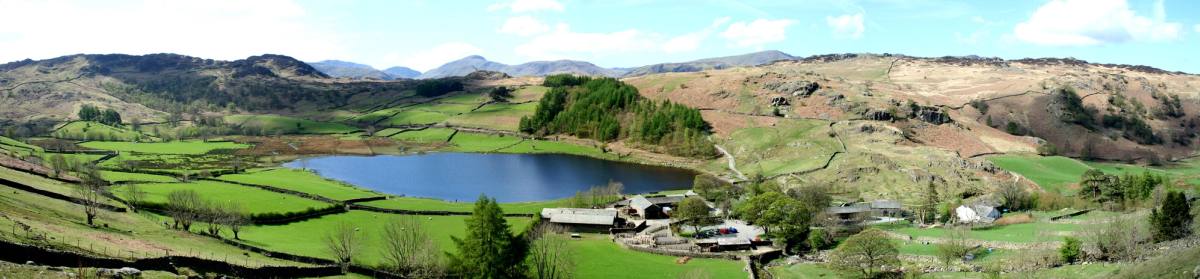
A tarn is a permanent area of standing water. While the main lakes are the obvious attraction, a little extra exploration will find some of the hundreds of tarns dotted all over the uplands. They vary enormously in size, from almost small lakes to very large puddles.
Often off the beaten track, their usually shallow margins make a peaceful haven for plants, insects and birds.
Nine to walk to
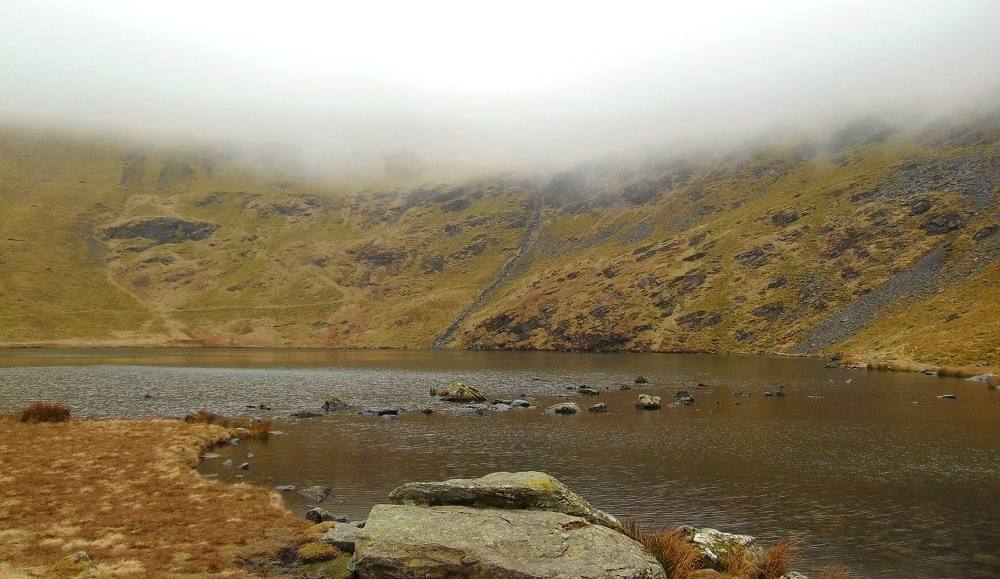
Near the summit of Haystacks above Buttermere, and where the ashes of Alfred Wainwright are scattered. The name means the tarn with no name.
Read moreHaystacks
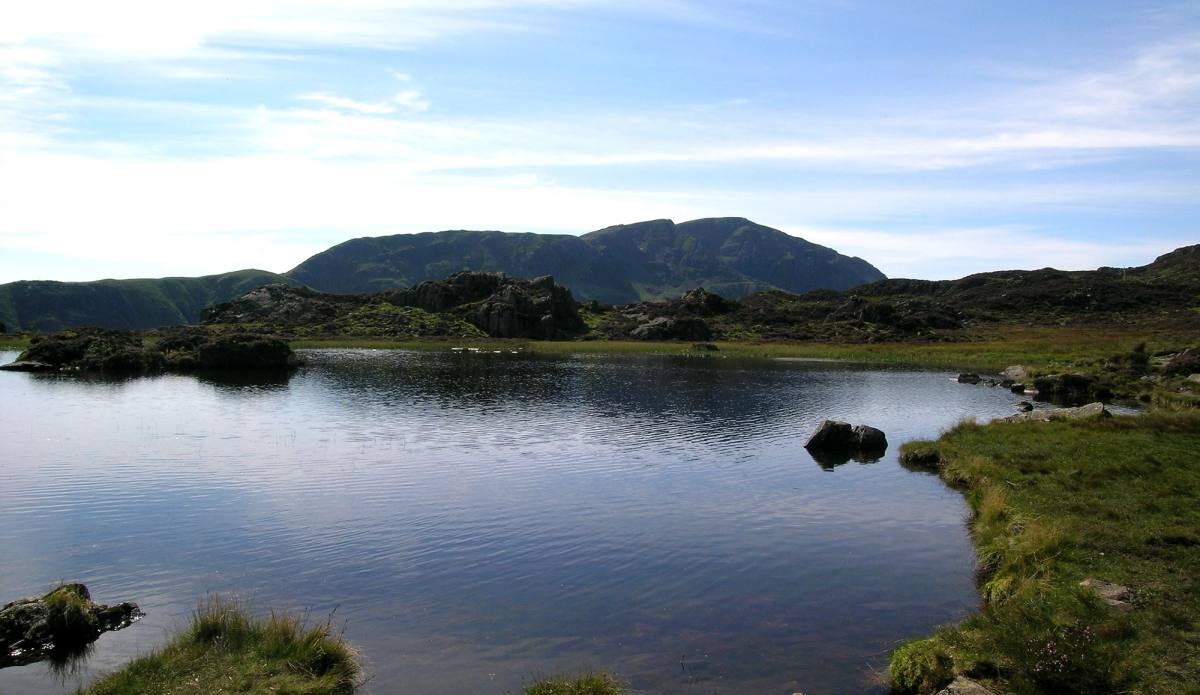
In St John’s in the Vale below High Rigg, with a fantastic backdrop of Blencathra. There is a lovely circular walk from Castlerigg Stone Circle.
Read moreFrom Castlerigg
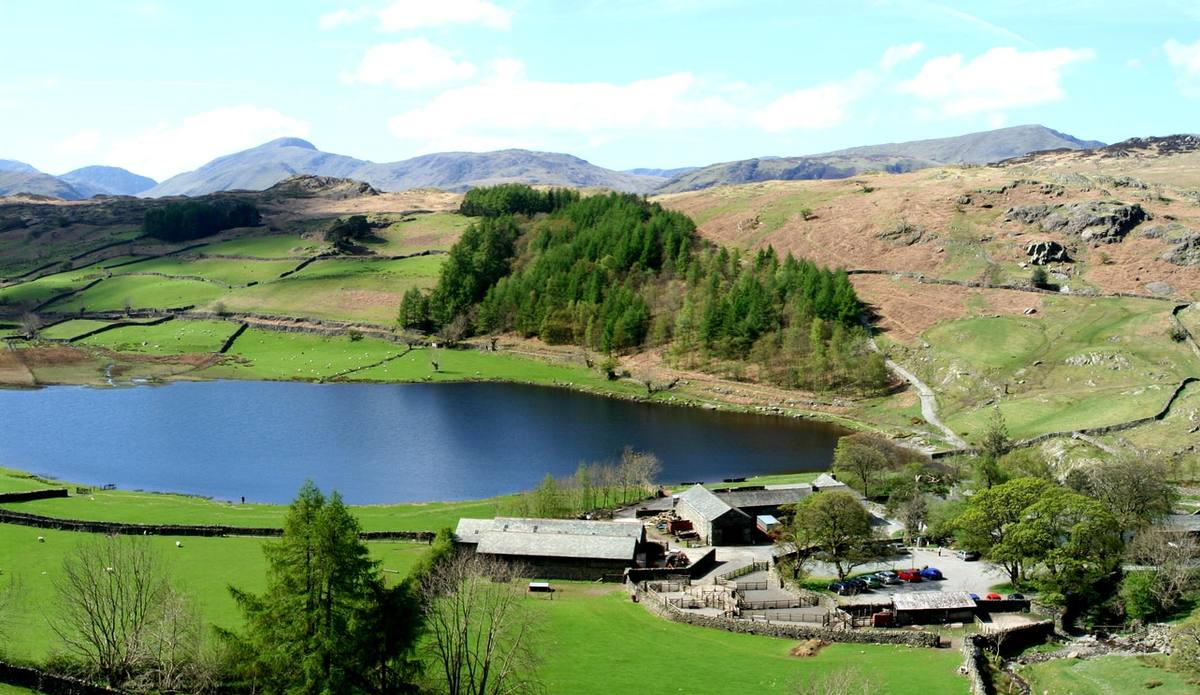
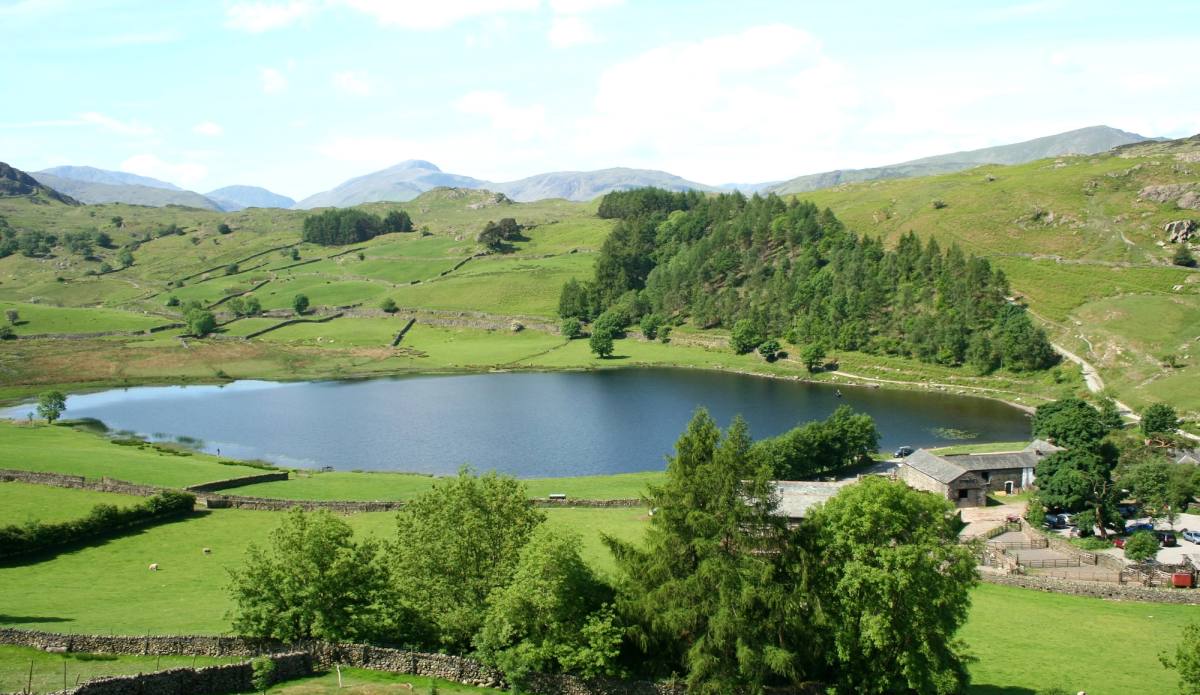
A beautiful, tranquil spot popular for fishing and a lovely place for a picnic, in the hamlet of the same name.
Read moreHalf a day
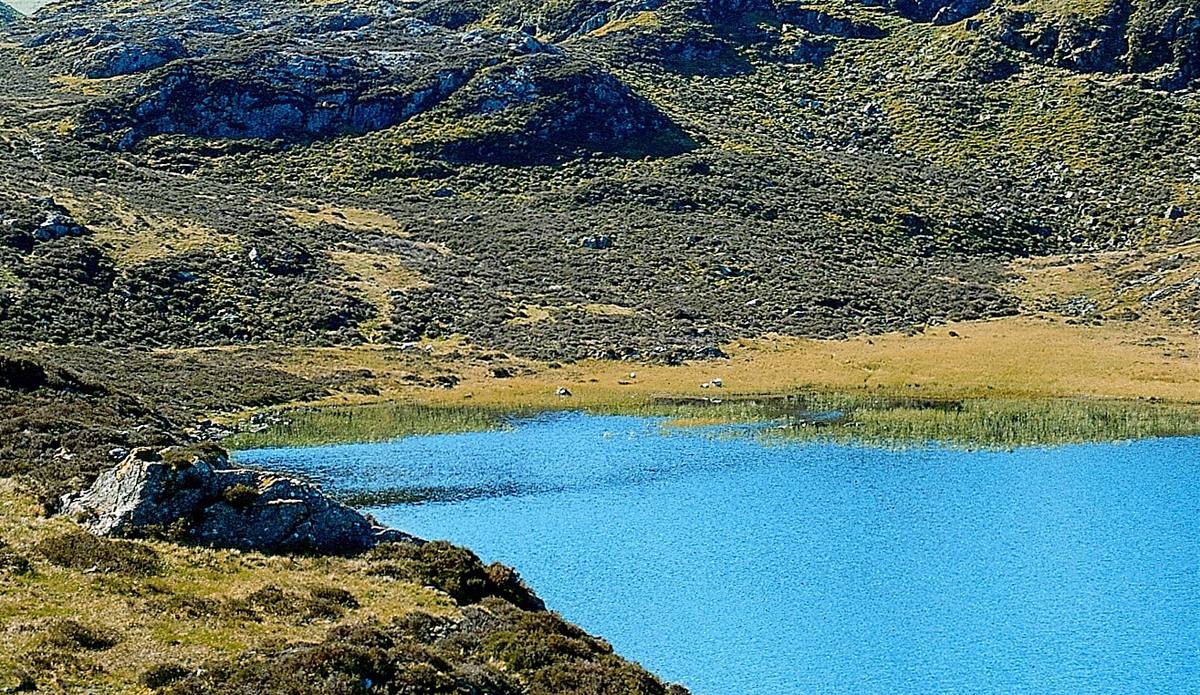
A glacial tarn above Thirlmere. There is a 2.5-mile circular loop from Dobgill car park, which also takes in the Dobgill waterfall.
Read moreAbove Thirlmere
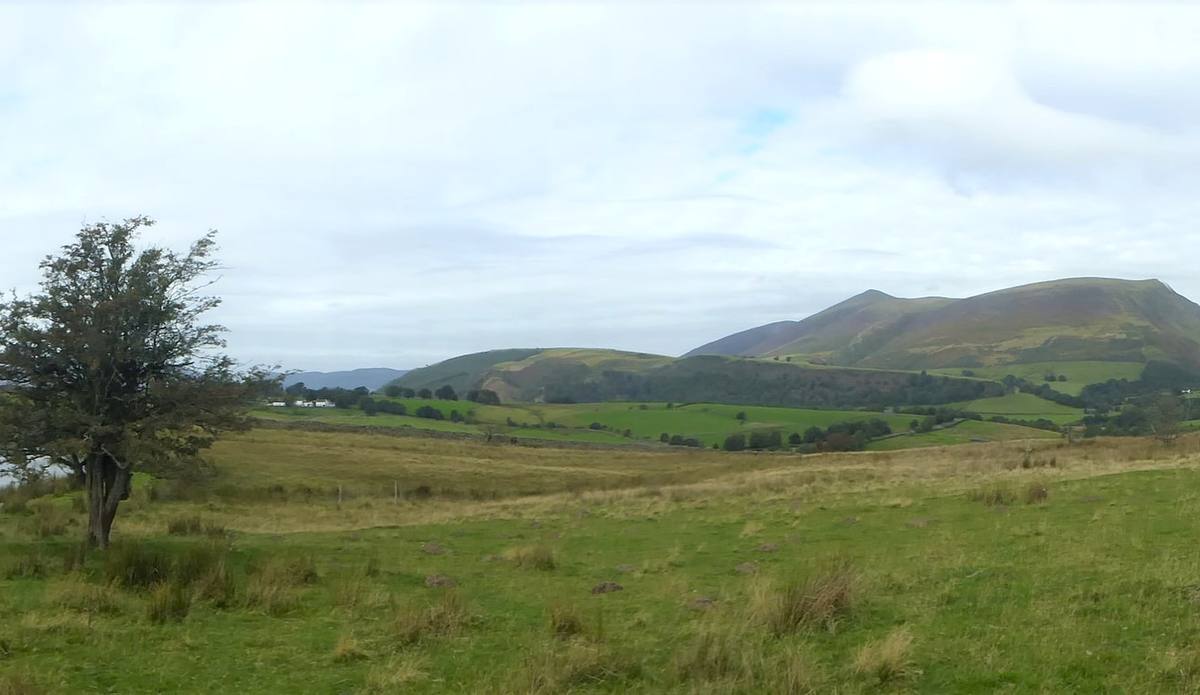
An isolated tarn above Mosedale, with a lovely walk up to it returning by the valley.
Read moreIsolated
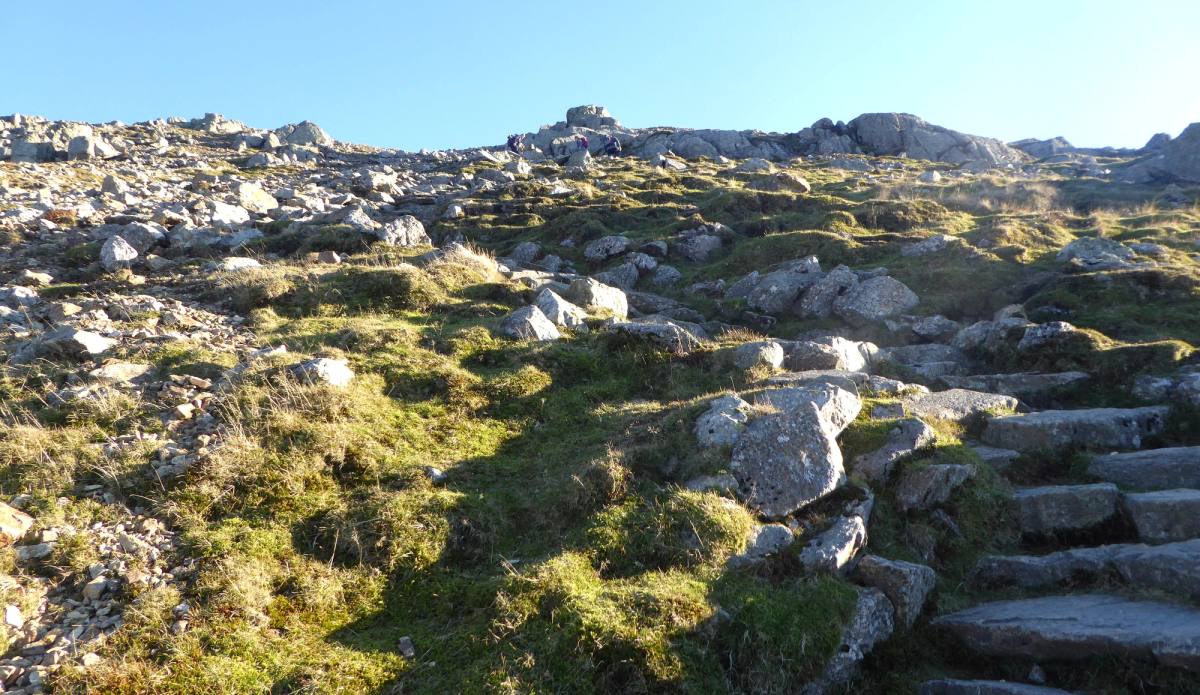
Two upland tarns in rugged mountain terrain, flanked by the masses of Great End and Great Gable. A circular walk from Seathwaite at the head of Borrowdale takes in both, going up past Stockley Bridge by Grains Gill.
Read moreA full day
Why bother walking to one
Because almost nobody else does. The lakes have car parks, cafes and a launch; the tarns have a path and whatever weather is passing. Several of the ones above are half an hour off a route you were walking anyway.