
Where the pencils began
The raw material for Keswick’s great industry was, the story goes, found by a shepherd at Seathwaite in 1550. The substance — black lead, or graphite — was first used for marking sheep, which is how Borrowdale comes to claim the first pencils in the world.
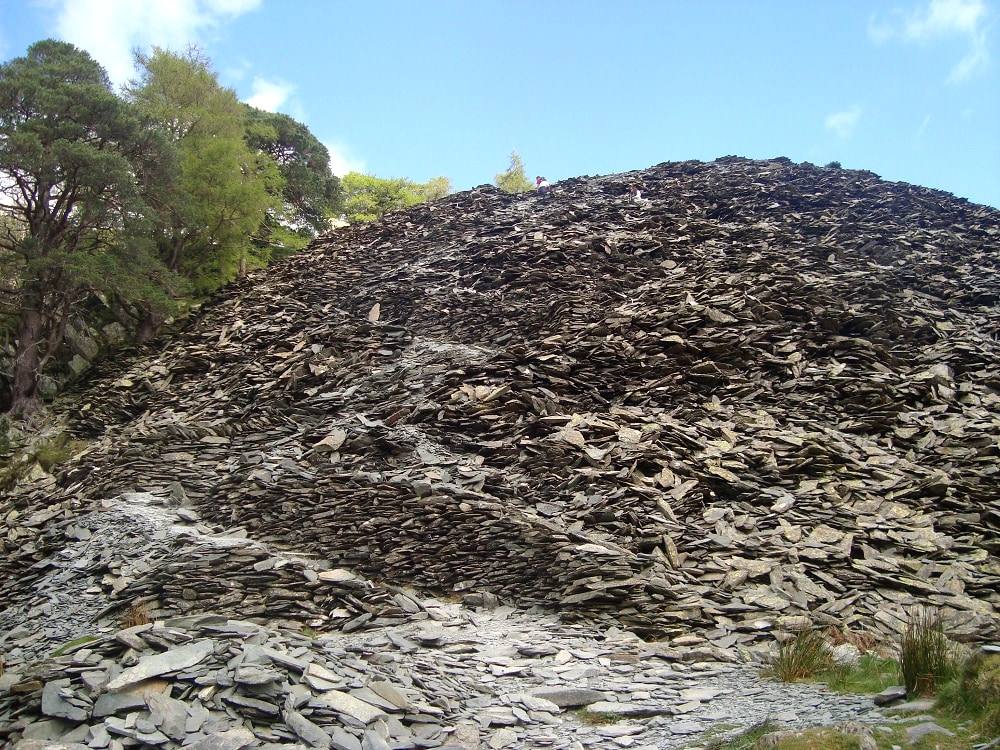
Farming and mining were the traditional industries here. The first records of quarrying at Honister date from 1643, and the mine prospered enough to employ over a hundred men. Through the eighteenth and early nineteenth centuries the mines were at their most productive.
At the head of the valley
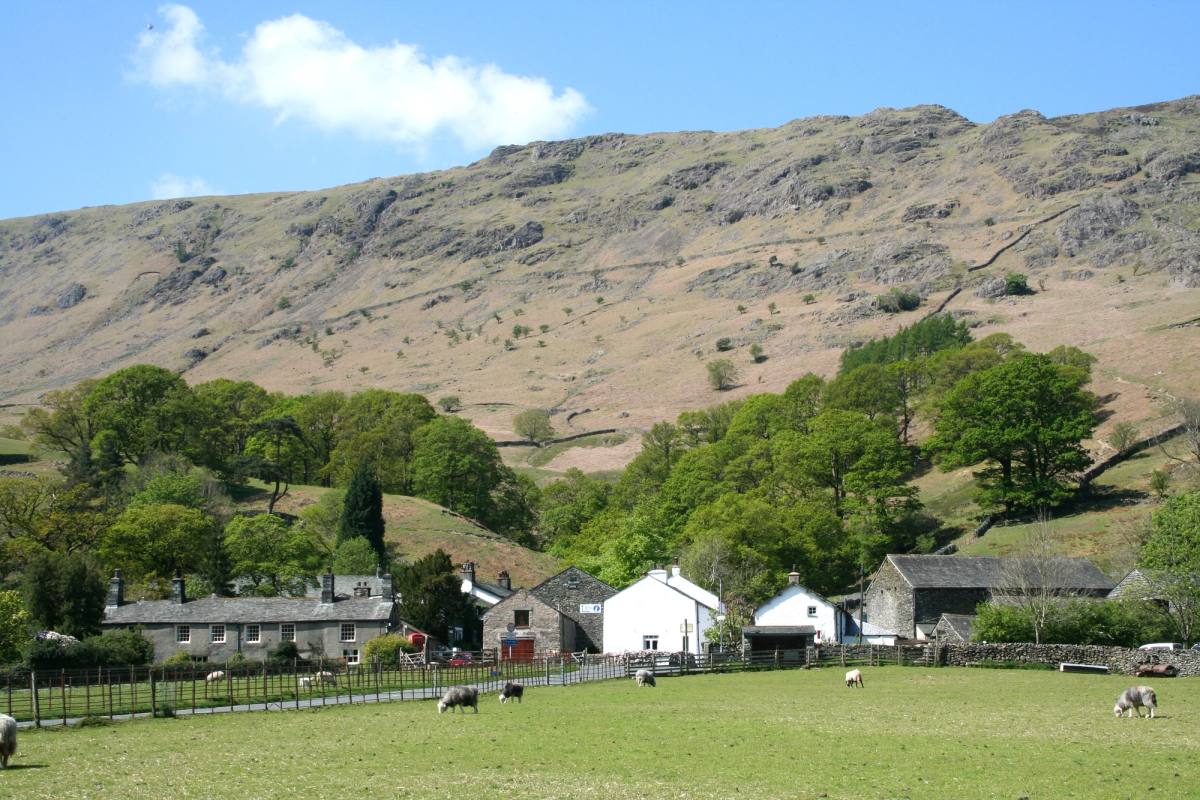
Seatoller is seven miles from Keswick on the B5289, with commanding views of the Borrowdale fells. It sits at the foot of the Honister Pass, which winds through a succession of bends for a mile and a half to the top and the buildings of the slate mine, then over to Buttermere.
The village is surrounded by fells, rich pasture and ancient deciduous woodland — Johnny Wood among others is designated a Site of Special Scientific Interest. Close by is the tiny hamlet of Stonethwaite, home to Borrowdale Primary School and the small and beautiful church of St Andrew.
The 78 runs between Keswick and Seatoller all year, and from April to October the seasonal Honister Rambler runs a circuit in both directions over the pass to Buttermere. Bus times and routes are on the getting here page.
From here
- Scafell Pike
Seatoller is a popular start for the highest mountain in England: a mile along the lane to Seathwaite Farm, through the farmyard, up to Stockley Bridge and Grains Gill, then Esk Hause and the summit between Great End and Ill Crag. A serious mountain walk — do not attempt it without the right equipment.
Safety on the fellsA full day
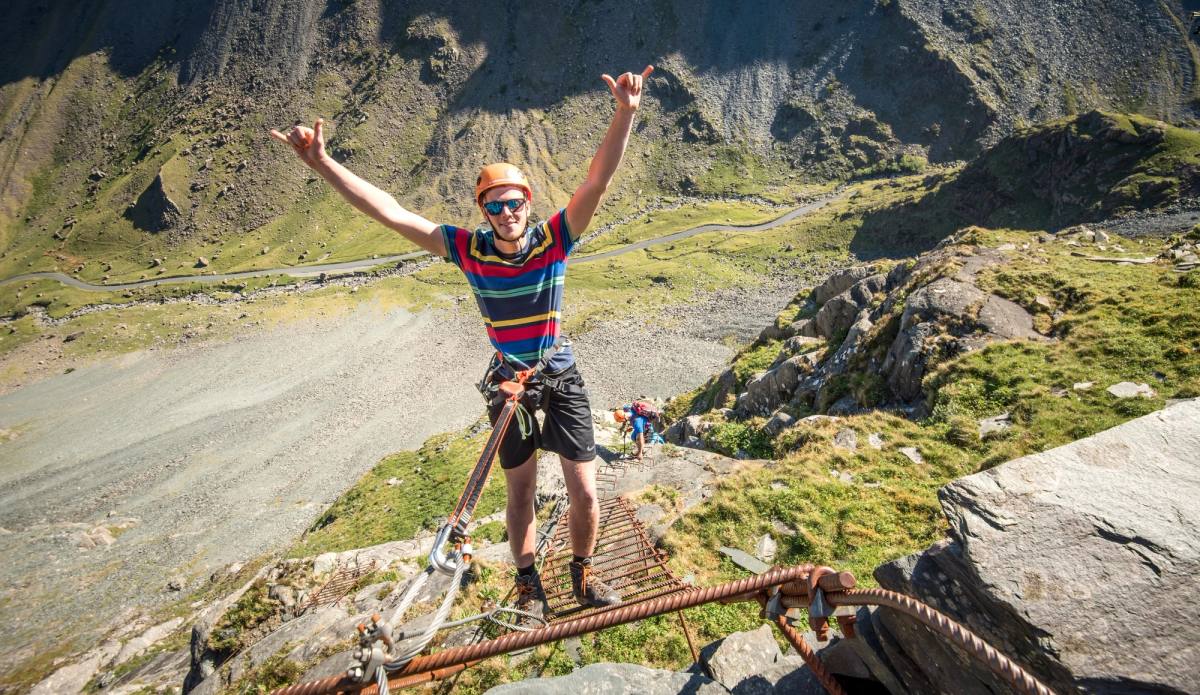
At the head of the pass, still producing Westmorland Green Slate — a 450-million-year-old material worked here for centuries. Mine tours, and two via ferrata routes following the original miners’ way to the top.
Visit the mineTours and via ferrata
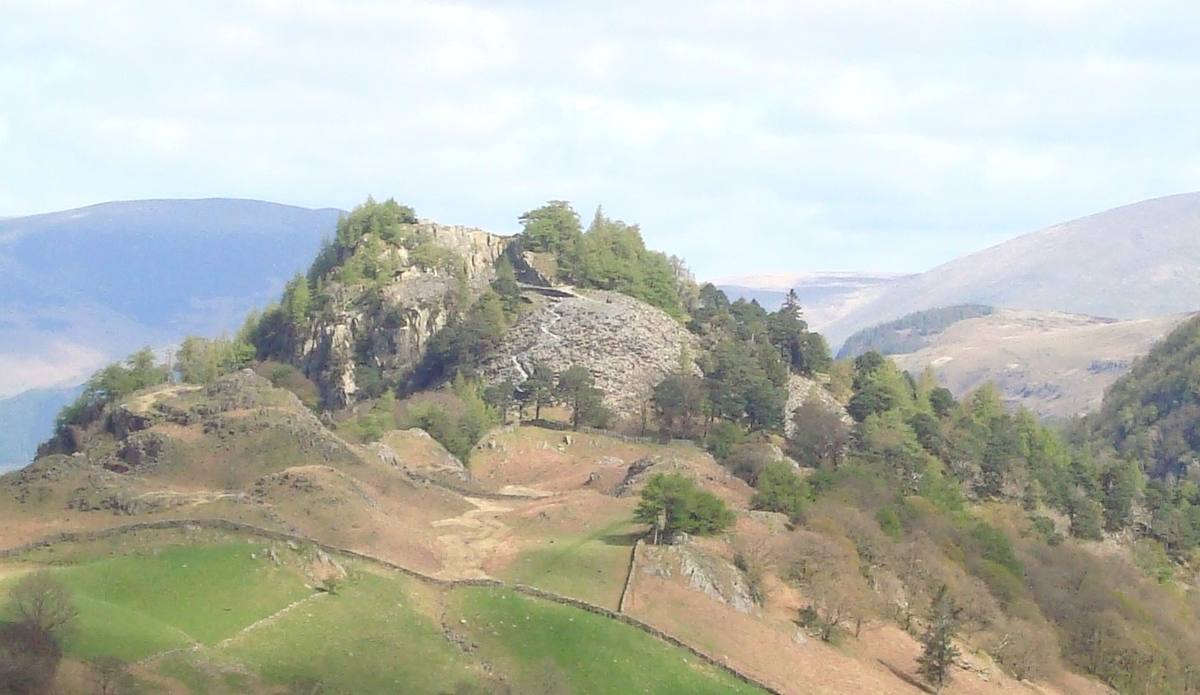
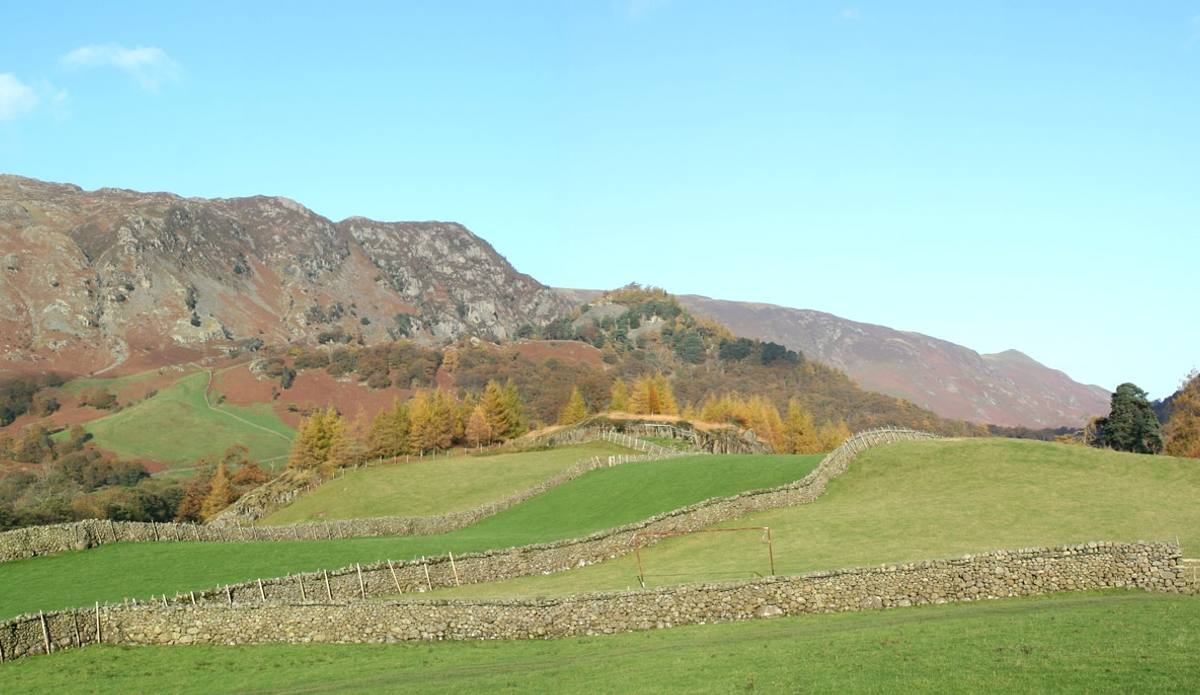
From the National Trust car park at Seatoller, a short sharp climb onto the wooded knoll that plugs the Jaws of Borrowdale. The surrounding high fells — Great End, Glaramara, Great Gable — start from the same place.
Walking routeHalf a day
Two miles on foot from Stonethwaite up the Langstrath valley: a deep pool in a small ravine with high rocky sides, popular with wild swimmers. The beck below it is a lovely place to picnic and paddle.
Up the LangstrathWild swimming
And for a level day
Follow the path along the river Derwent past Rosthwaite and Grange, through the Borrowdale valley and down to the shores of Derwentwater. There is a second National Trust car park at the top of the Honister Pass, at 350 metres — a good leg up summits like Dale Head.
Other villages nearby
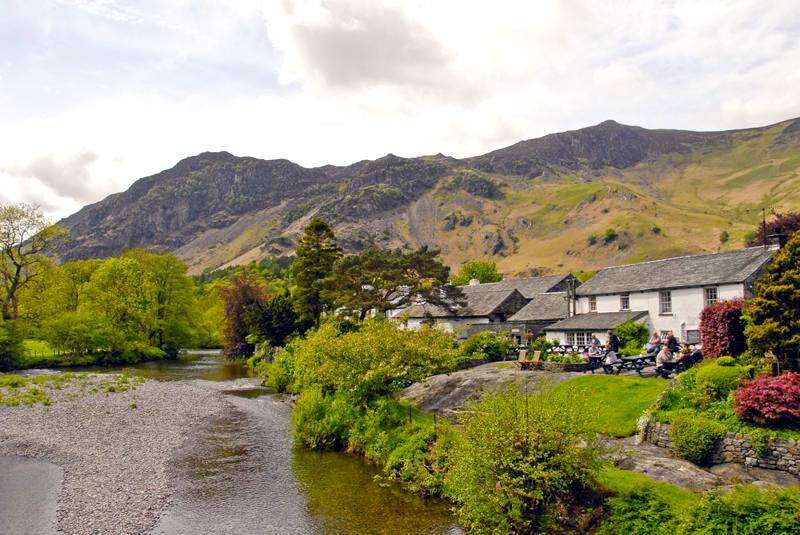
Grange in Borrowdale
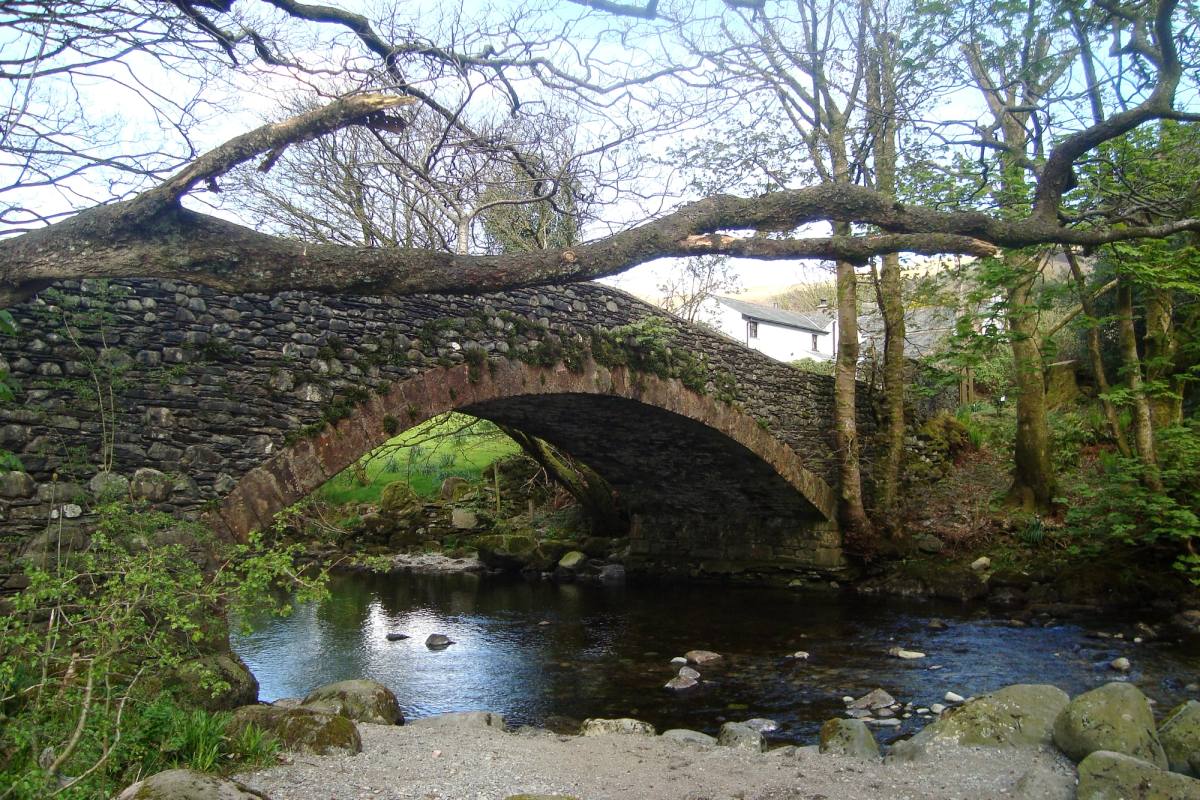
Cross the seventeenth-century bridge into Borrowdale for valley views, riverside walks and the Bowder Stone.
Explore Grange in Borrowdale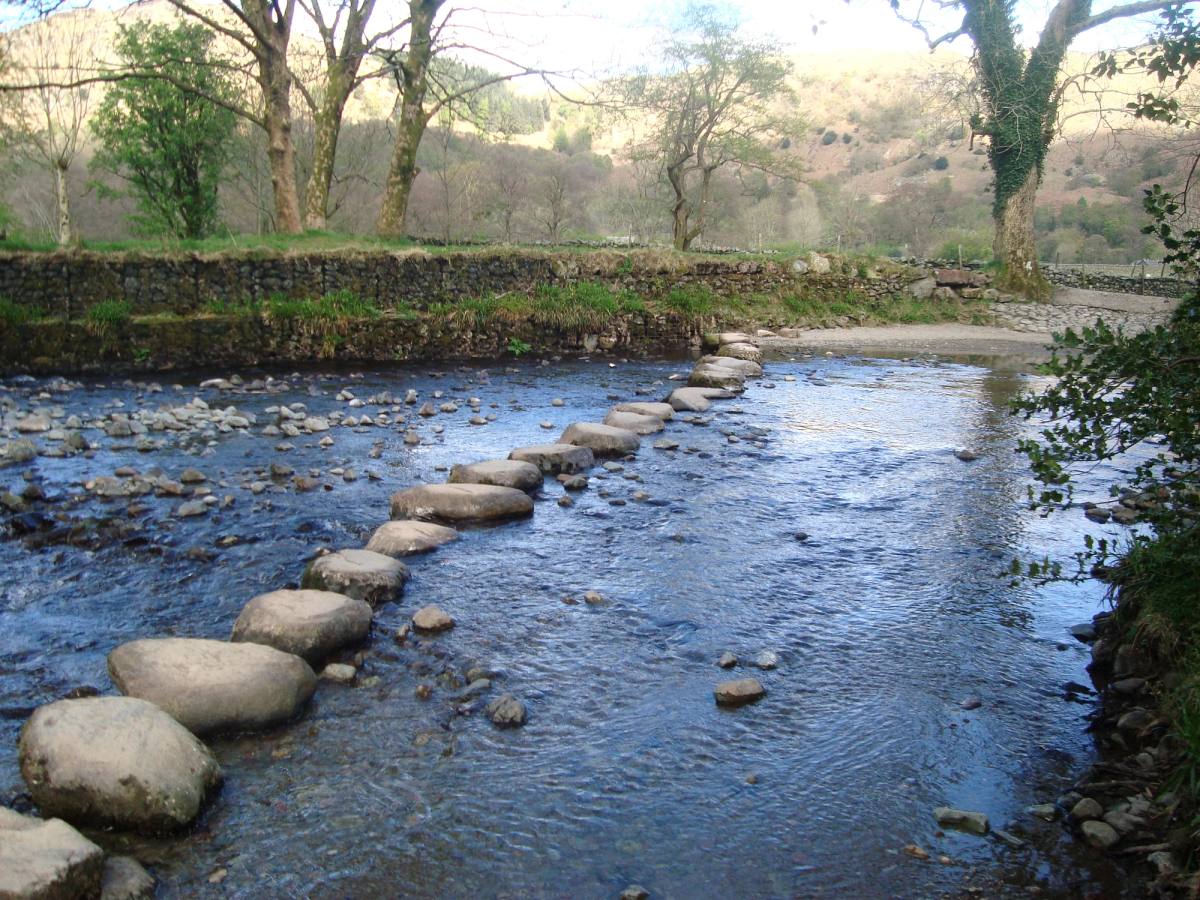
Rosthwaite
A walking base among Borrowdale’s fells, near the stepping stones, Castle Crag and Langstrath.
Explore Rosthwaite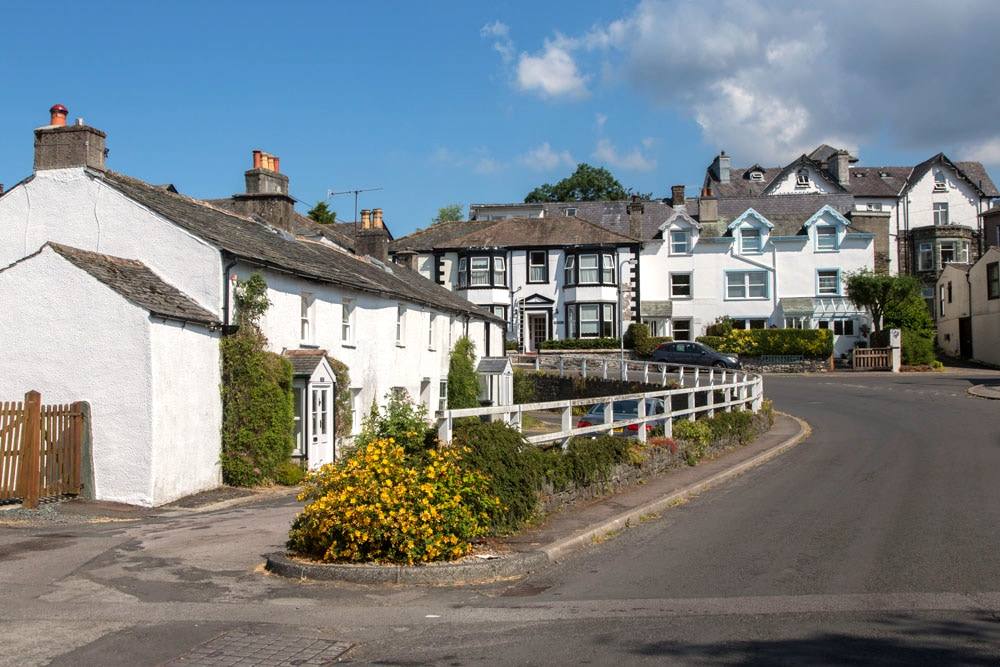
Portinscale
Derwentwater boats, lakeside paths and a fifteen-minute walk over the suspension bridge from Keswick.
Explore Portinscale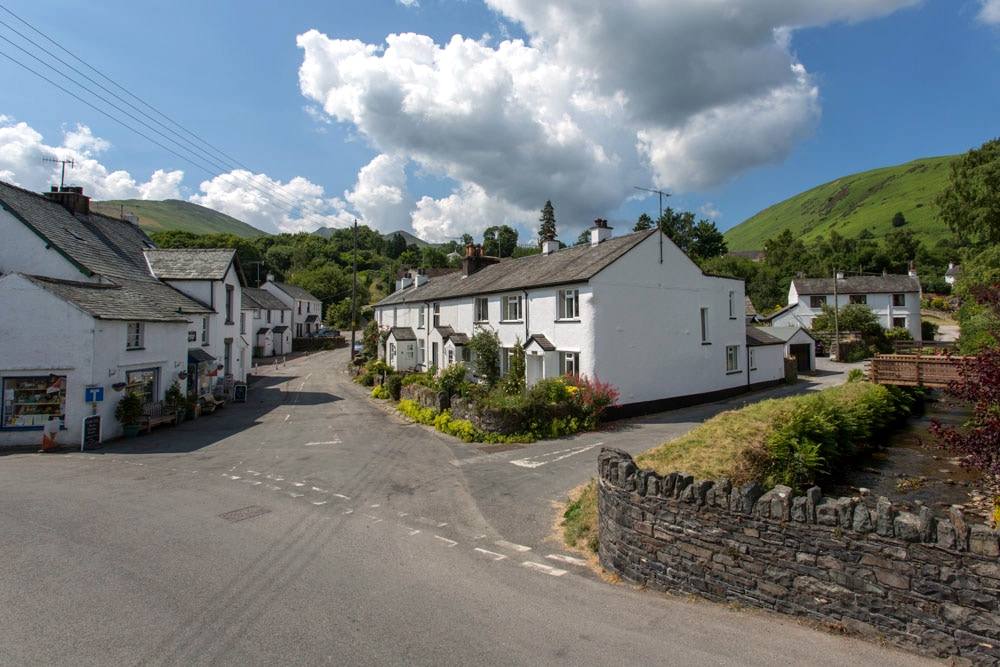
Braithwaite
Walk straight into the Coledale fells or head up Whinlatter Pass to England’s only mountain forest.
Explore Braithwaite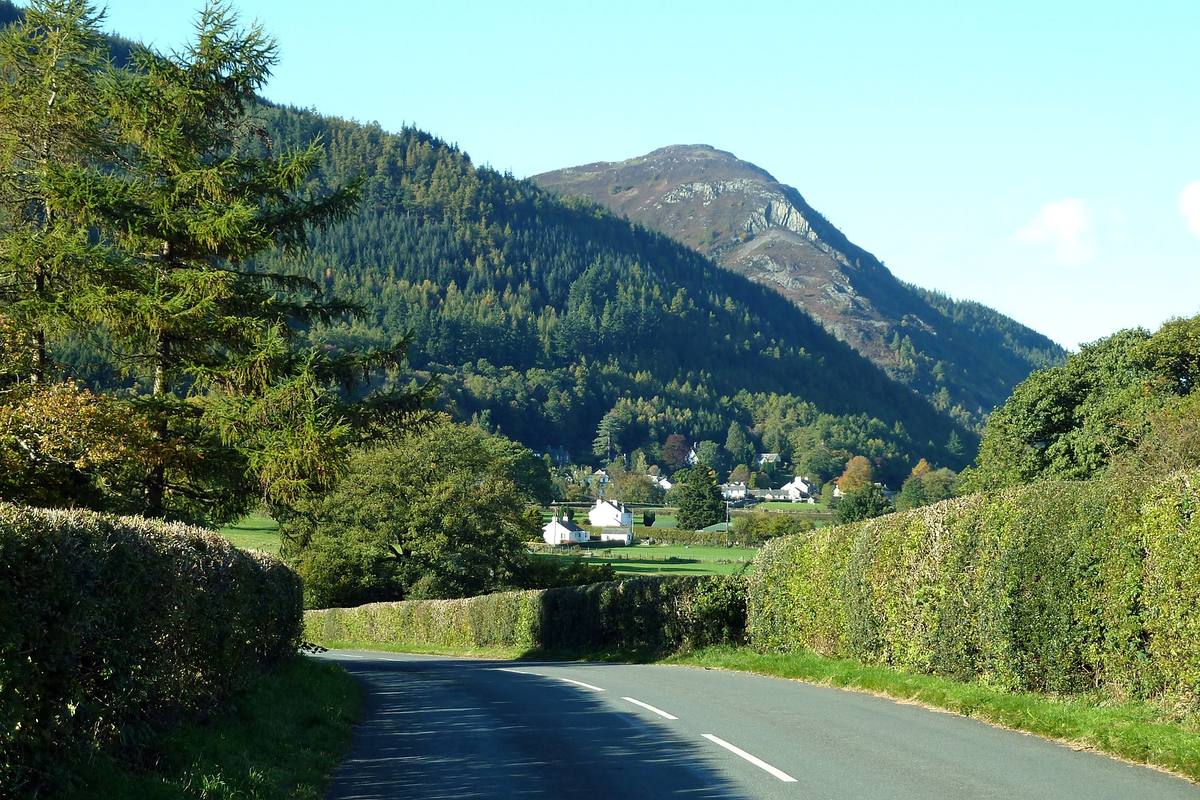
Thornthwaite
A quiet village by Whinlatter Forest, with views to Skiddaw and a gallery full of local artists.
Explore Thornthwaite
Map
- Seatoller
- Stonethwaite
- Keswick
- Rosthwaite
- Grange in Borrowdale
- Buttermere