
Professor of Adventure
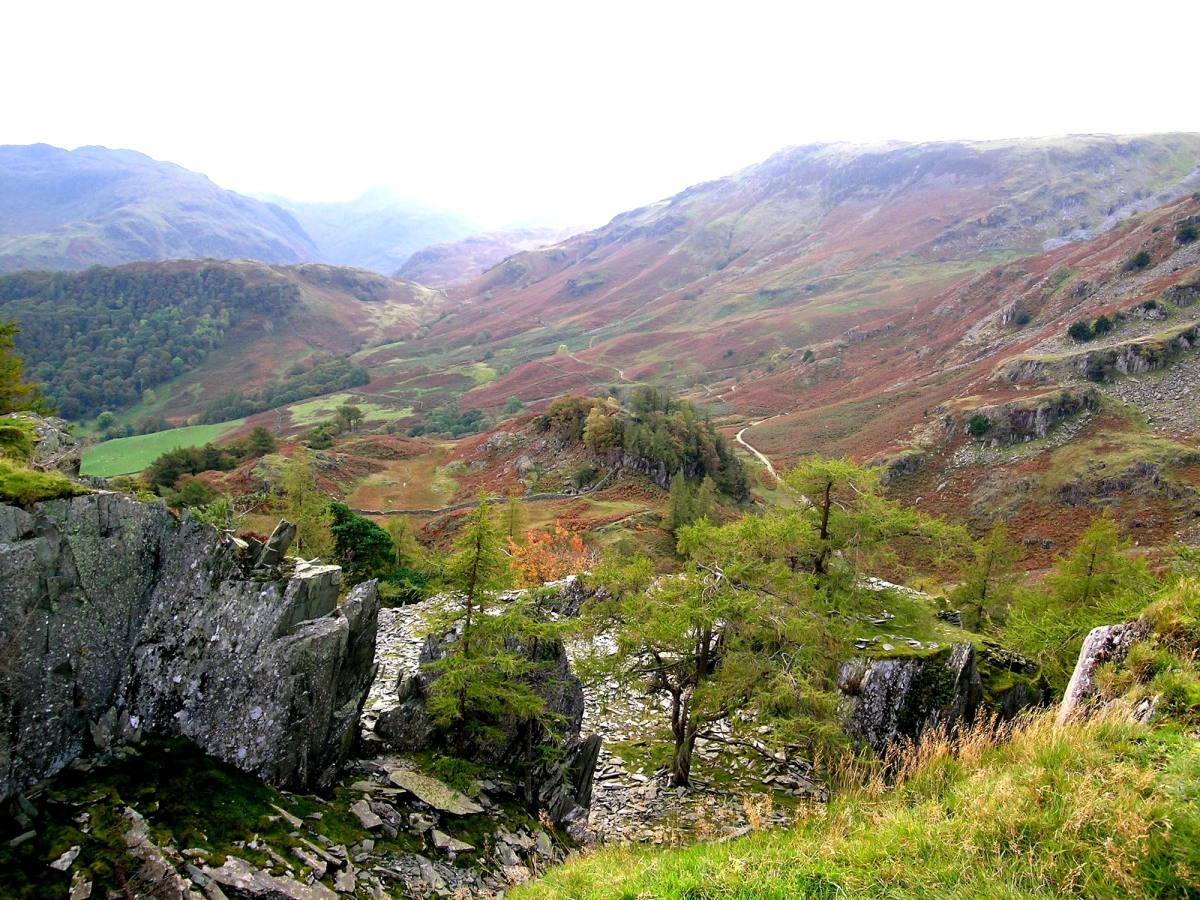
Millican Dalton lived in a cave each summer on the side of Castle Crag, in Borrowdale, for nearly fifty years.
Born to a Quaker family in 1867, he moved south with his family at seven, after his father’s death, and enjoyed a typical boyhood of adventure and escapades before facing the sober reality of adult employment. As a young man he worked in London as an insurance clerk.
At thirty-six — a keen cyclist, camper and climber — he felt constrained by humdrum working life and, in a radical act for his time, struck out for a simpler self-sufficiency, long before downsizing and mid-life reinvention became familiar ideas.

A hut in winter, a cave in summer
First he built a forest hut in Buckinghamshire and lived there through the winter months, camping in the Lake District through the summer. Then he took the title Professor of Adventure and began offering trips to campers and lovers of the outdoors.
In the 1920s he moved into a disused split-level quarried cave in Borrowdale. He baked his own bread, made his own clothes on a sewing machine, followed a plain natural diet, and manufactured pioneering lightweight camping gear — while continuing to lead groups on what he advertised as adventurous escapes.
He was known locally for his eccentric outfits, his Tyrolean hat, and his love of dark coffee and Woodbines.
The Skipper
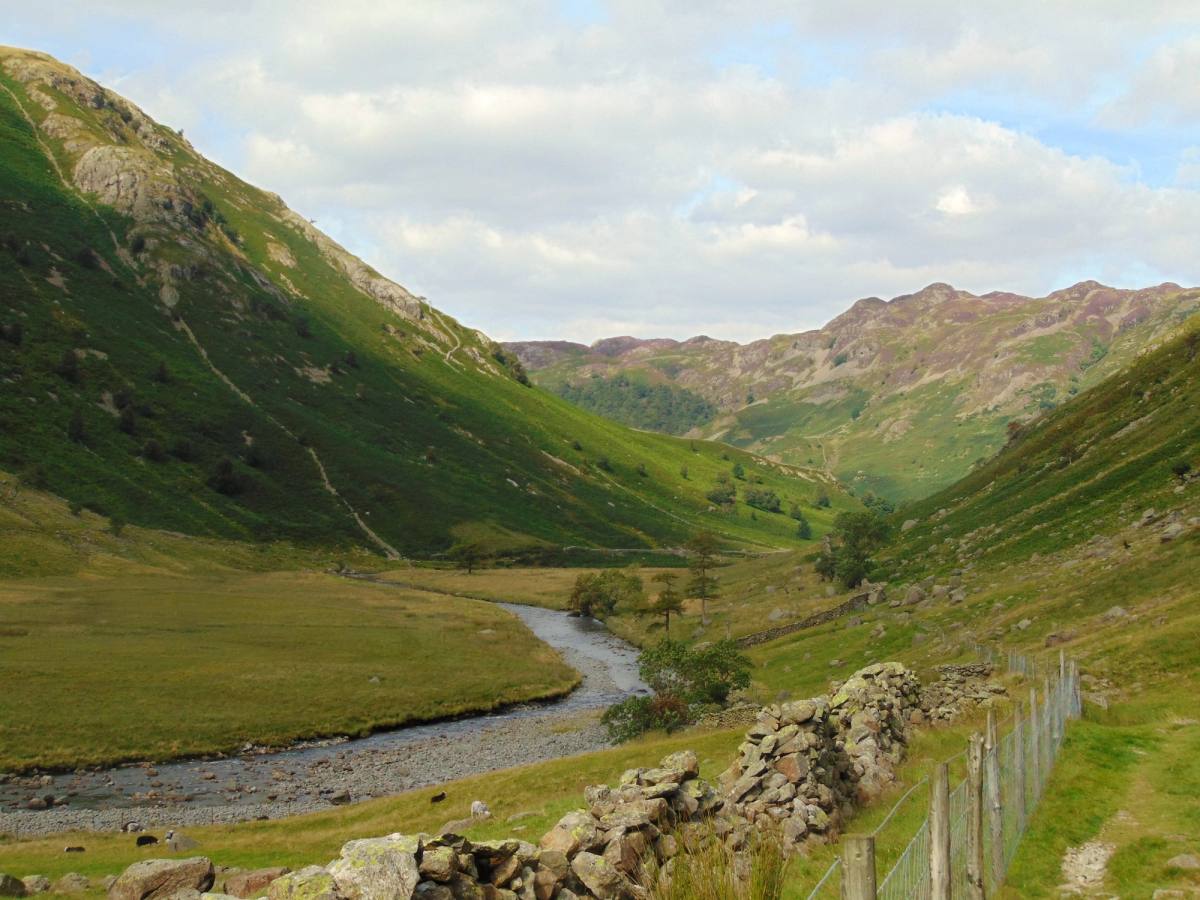
Unlike some eccentrics he was no recluse. Addressed as "the Skipper", he led parties in mountain rapid shooting, rafting, hair’s-breadth escapes and climbing, and ventured further afield with guided mountaineering trips in the Swiss Alps.
A socially engaged man, he delighted in campfire conversation and was always ready to offer an opinion on the great ideas of the day. A lifelong bachelor, he enjoyed deep friendships with women and ran camping excursions for young women long before that was socially acceptable — teaching them to climb, and letting them lead when their skill allowed. Visitors often spoke of the sense of peace they felt after time spent with him.
Asked, at seventy-three, whether he was lonely
“Well, I don’t sleep much, and while I am awake I lie and listen and think. There’s a lot to think about just now, isn’t there? All the sounds of the nights, the roar of the mountain stream, the barking of our dogs and foxes, the cries of birds — how can I be lonely with such company?”
Millican Dalton
Interviewed by a newspaper in 1941
The lost book
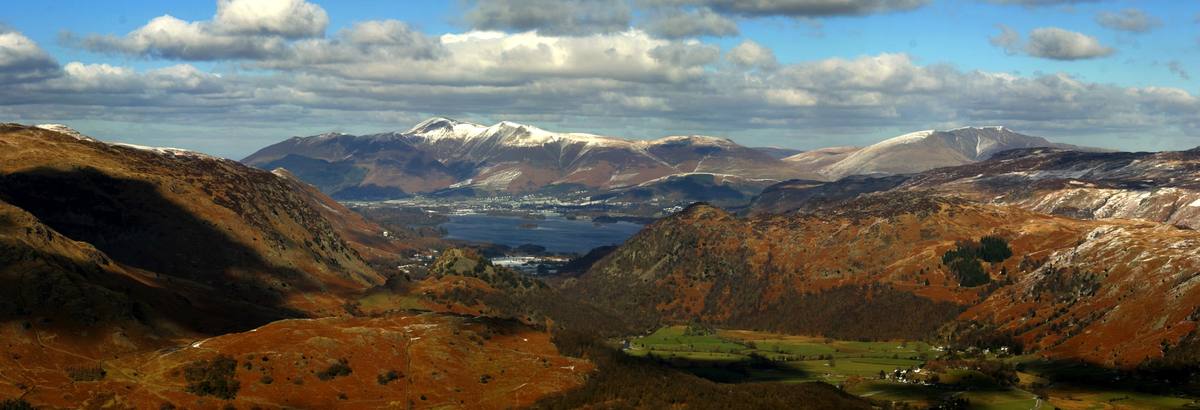
He remained wedded to the outdoors to the end of his life, moving into a hut only through the coldest winters, and died in 1947 at seventy-nine, in a hospital ward, of heart failure and bronchitis.
A book lay unfinished by his bedside. Titled Philosophy of Life, it was his journal of observations from thirty years in the wilderness. It remains lost.
The cave is still a place of pilgrimage. There is a circular walk to it from Rosthwaite.