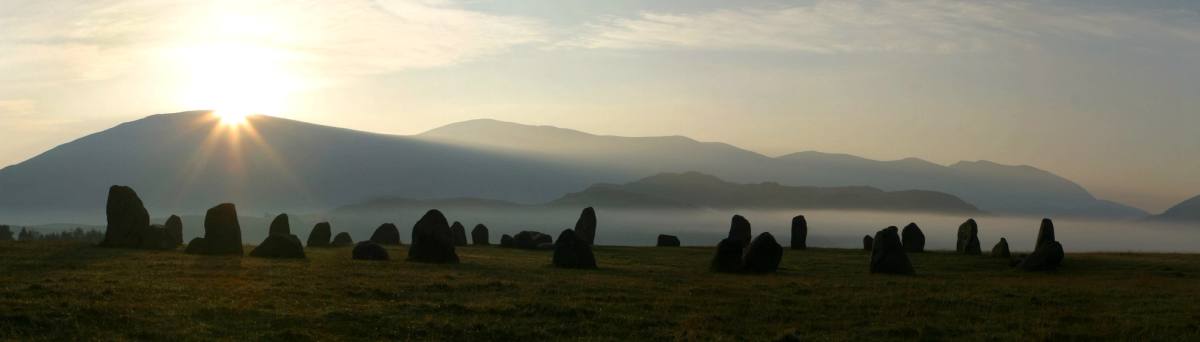

Five thousand years, in five pages
These five sit under the town rather than beside it, because they are the town’s story: the rock it is built on, the industries that paid for it, the writers who made people want to come, and what is open to visit now.
They can be read in any order, but the geology is underneath all the rest of it — literally — and the history page is the one that joins the others up.
Five ways in
Neolithic clearings, Norse place names, Cistercian sheep, Elizabethan copper, and the railway that turned a market town into a resort.
Read moreThe long view
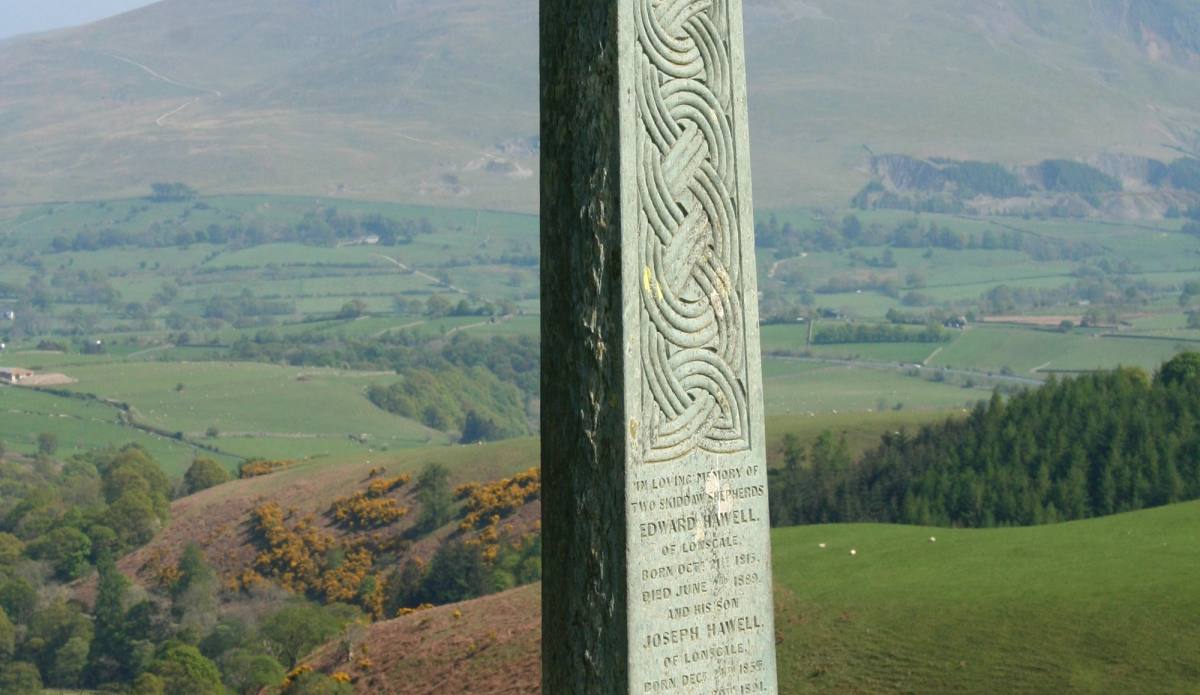
The volcanic ash under your feet in the Market Square, the deep-sea muds that became Skiddaw, and the glaciers that shaped the rest.
Read moreRead the buildings
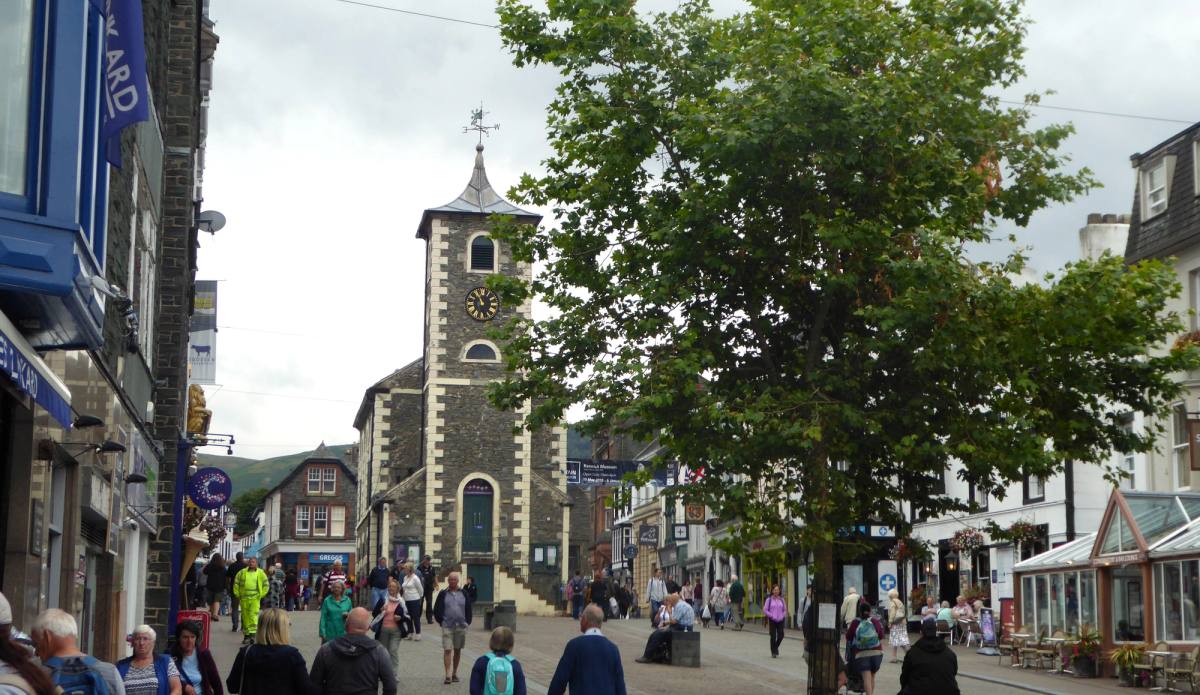
Coleridge and Southey at Greta Hall, a guest book like a Who’s Who of English literature, and Beatrix Potter’s summers on Derwentwater.
Read morePoets and painters
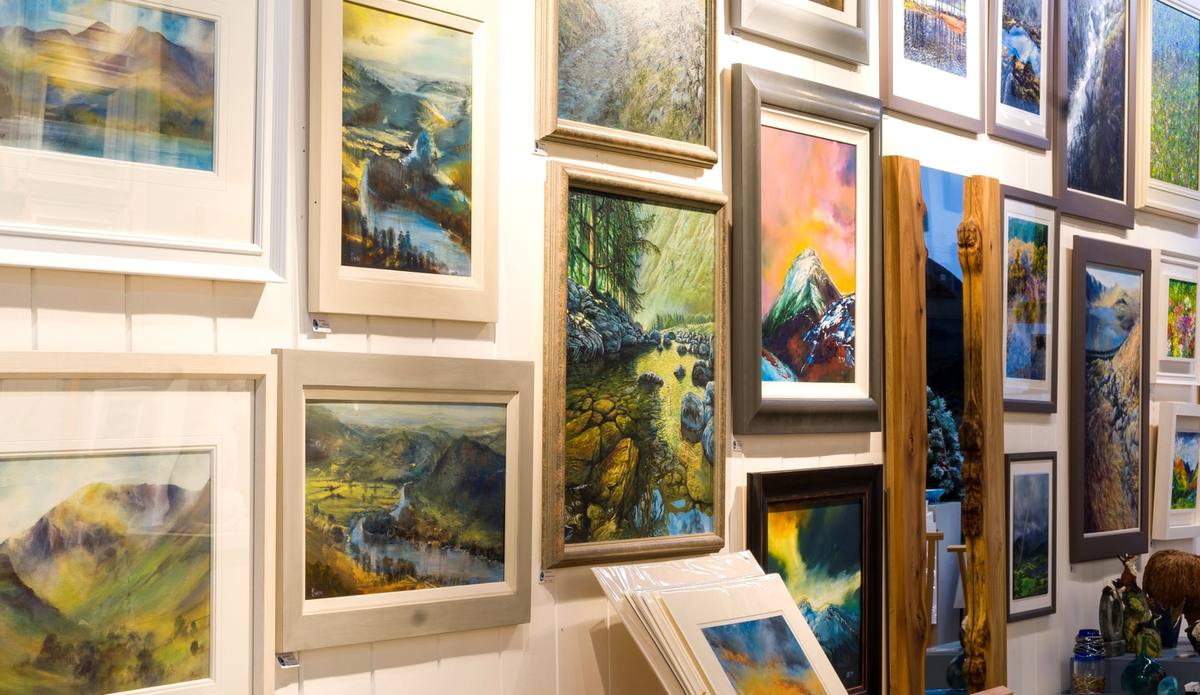
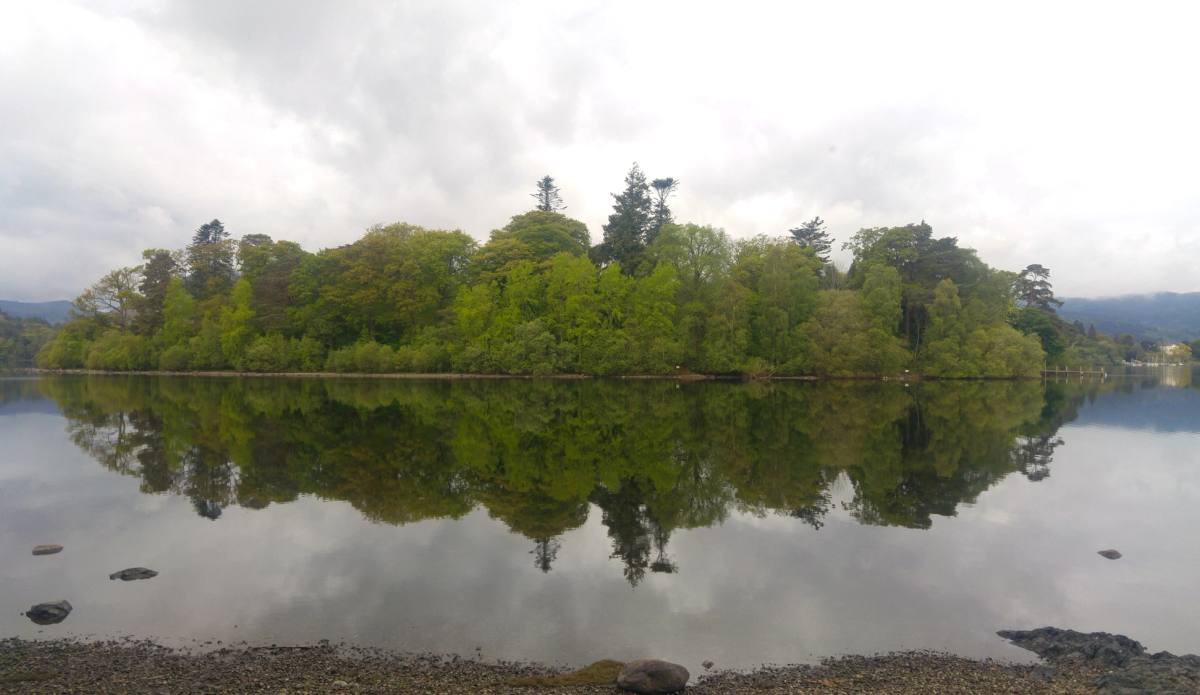
Museums, a historic house, a slate mine, a century-old cinema, a theatre on the lake shore, and a tradition of arts and crafts.
Read moreOpen today
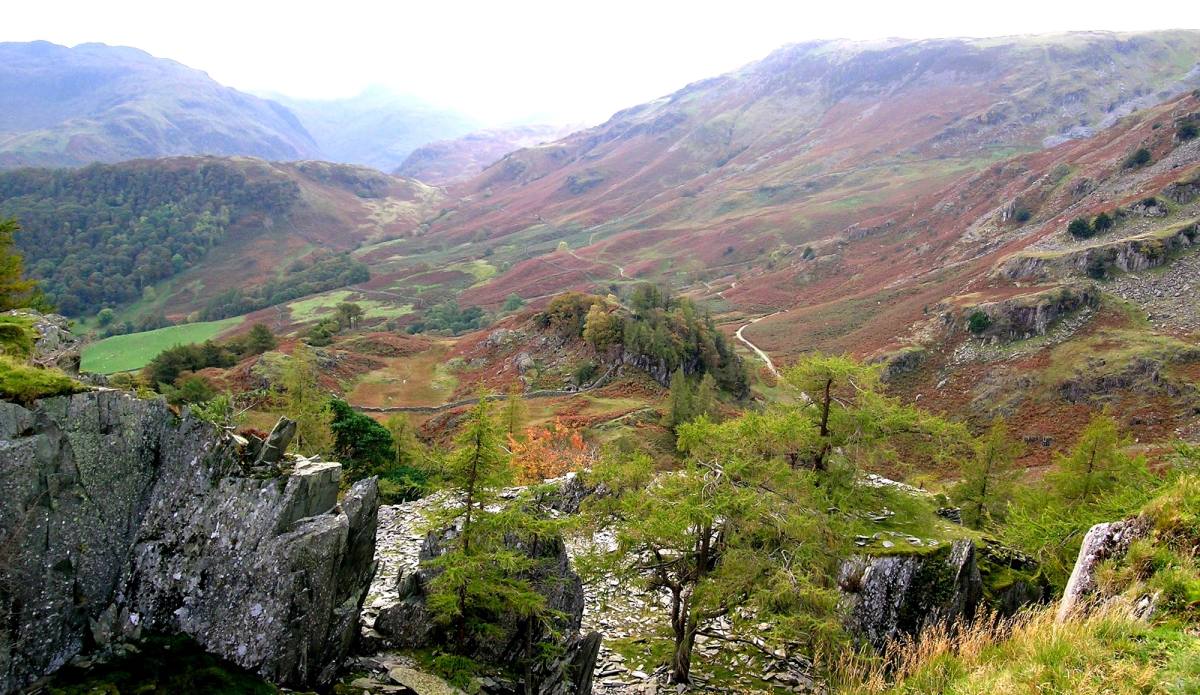
The self-styled Professor of Adventure, who left an insurance desk in London and spent nearly fifty summers in a cave on Castle Crag.
Read moreOne man
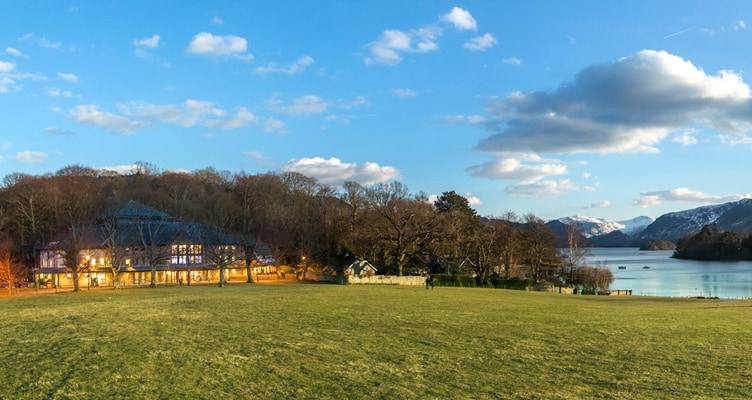
Most of it is still standing
Very little of this is confined to a museum. Castlerigg Stone Circle is open at all times and free; the Moot Hall still stands in the Market Square; the green slate in the walls around you is the volcanic ash of 450 million years ago.
The place names are evidence too: Rosthwaite, Thornthwaite, Stonethwaite — "thwaite" is Norse for a clearing, and every one of them marks where somebody cut back the wood a thousand years ago.