
Ice, then farmers
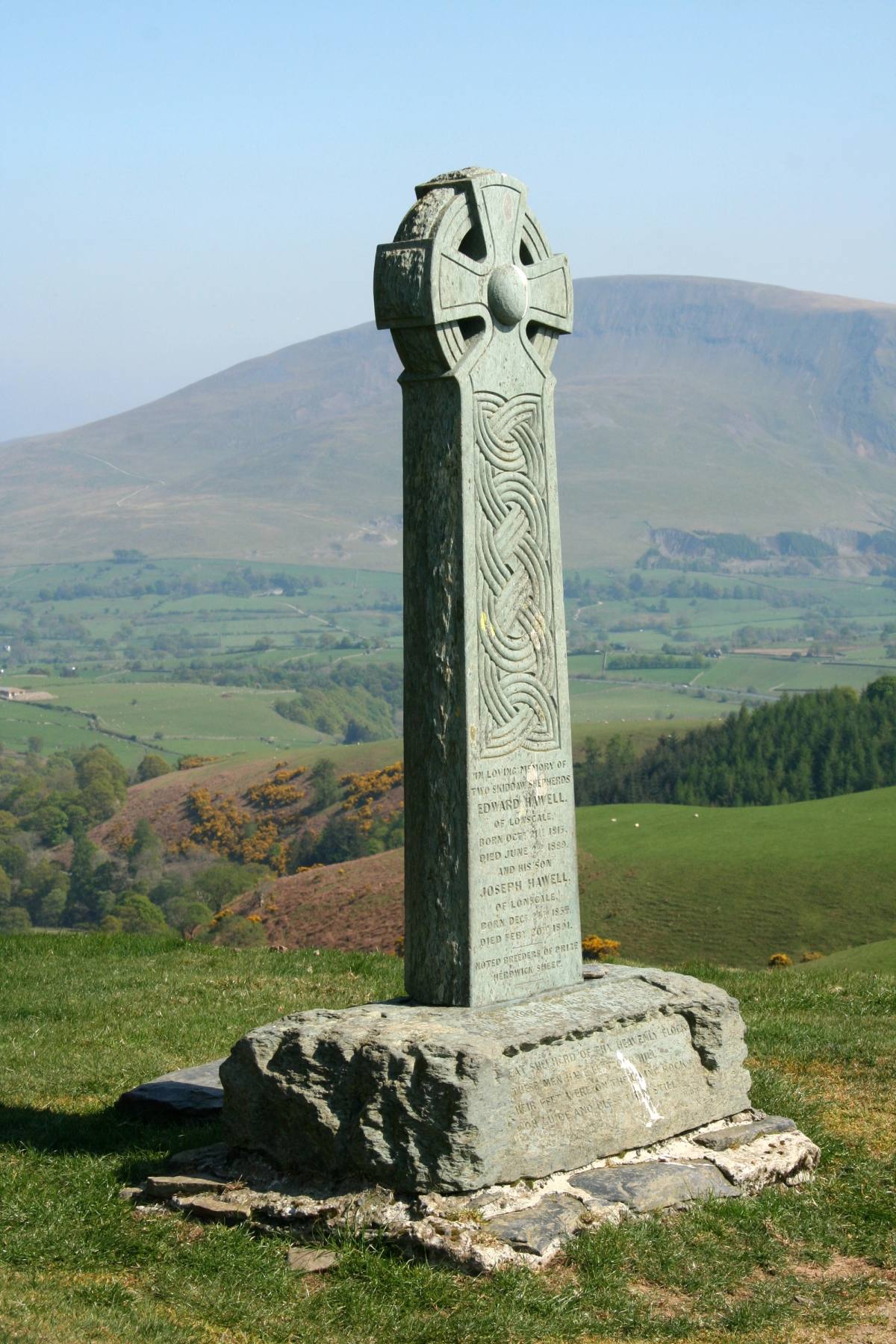
The geological origins of Keswick and the North Lakes lie in the Ice Age, when glacial erosion shaped the landscape of mountains, valleys and lakes. The first evidence of settlement dates to the Stone Age, when Neolithic people used stone axes to make clearings in the forested hills and valleys, to grow crops and keep livestock.
Three such axes have been found inside Castlerigg Stone Circle, which dates back some four thousand years — to about the time of those early farming communities. Its original purpose is unclear, but the site is superb, completely surrounded by high fells.
Norsemen and monks
Many Scandinavian place names in the area — "thwaite" meaning a clearing, "keld" meaning a spring — are an indication of settlement by Norsemen in the tenth century.
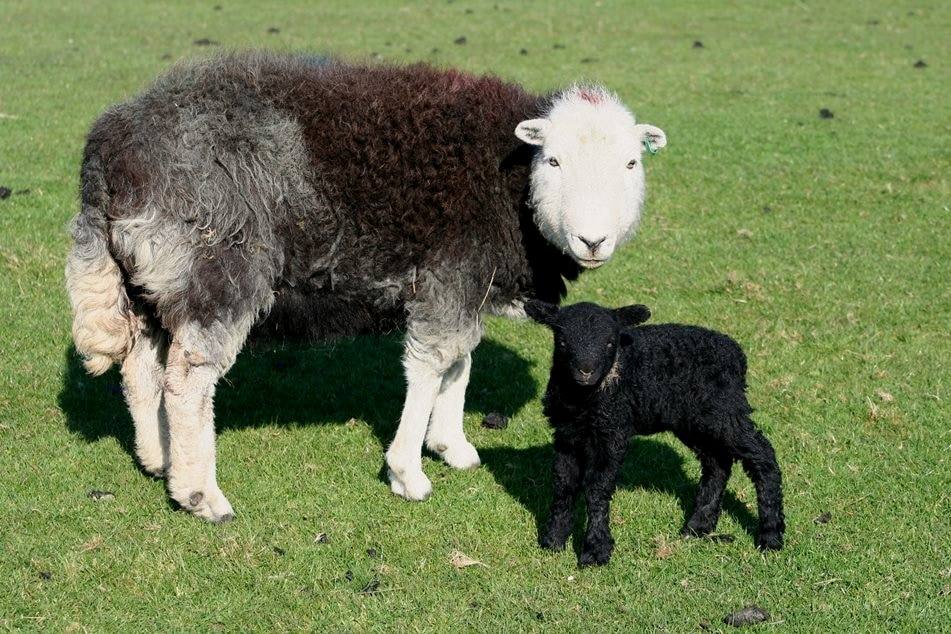
In the twelfth and thirteenth centuries the Cistercian order acquired large areas of land and introduced large flocks of sheep to the district. A familiar sight on the fells today is the Herdwick: a hardy, resilient animal able to withstand extremes of weather.
The German miners
In the mid 1500s a period of prosperity brought on by mining lasted almost a hundred years, in contrast to the poor rural economy based on wool, crops and leather. During the reign of Elizabeth I there was demand for copper, for the production of arms and the strengthening of warships.
In 1564, for want of a skilled workforce in the area, expert miners arrived from Germany to meet the demand and provide royalties for the Queen. The Society of Royal Mines was established to finance and organise the operation.
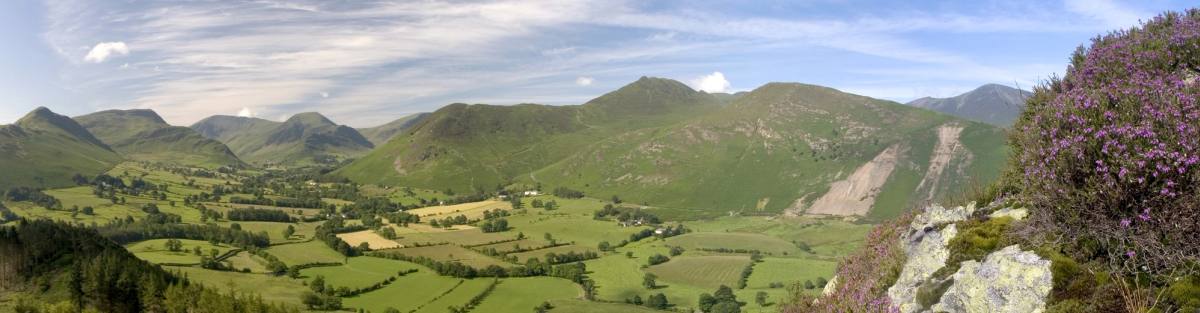
Considerable deposits were found in the Newlands and Borrowdale valleys. Local people were employed carrying coal from Caldbeck, peat and slate from Skiddaw and timber from Borrowdale.
And after the copper
The Newlands and Borrowdale mines ultimately declined, through rising costs and a depression in England, and through a shortage of fuel. That was not the end of mining here. Force Crag Mine near Braithwaite worked into modern times, producing a variety of materials; Threlkeld Quarry provided a century of employment; and the first records of quarrying at Honister Slate Mines are from 1643 — the mine prospering with over a hundred men employed, until it closed in 1986.
The first pencil in the world
The raw material for Keswick’s major industry was purportedly discovered by a shepherd at Seathwaite in Borrowdale in 1550. The substance — known as black lead, or graphite — was first used to mark sheep, which is the ground of Borrowdale’s claim to have made the first pencils in the world.
The mines were at their most productive in the eighteenth and early nineteenth centuries. "Pencil maker" begins to appear in the Crosthwaite parish registers in the early 1800s, as a cottage industry, and by the nineteenth and early twentieth centuries there were several pencil factories in the town.
A wide range of pencils is still made in Keswick today, and the Cumberland Pencil Museum tells the story from those origins to the present.
Then the visitors
Tourism began in the late eighteenth century, when the first visitors arrived — drawn by the area’s connections with Coleridge, Ruskin, Wordsworth and Southey, and its popularity with painters such as Turner and Constable.
A Travellers’ Guide of 1783 records that "Keswick receives great benefit from the resort of gentry to see the romantic lakes and mountains that surround it". As war in Europe brought the Grand Tour to an end and the roads improved, numbers rose.
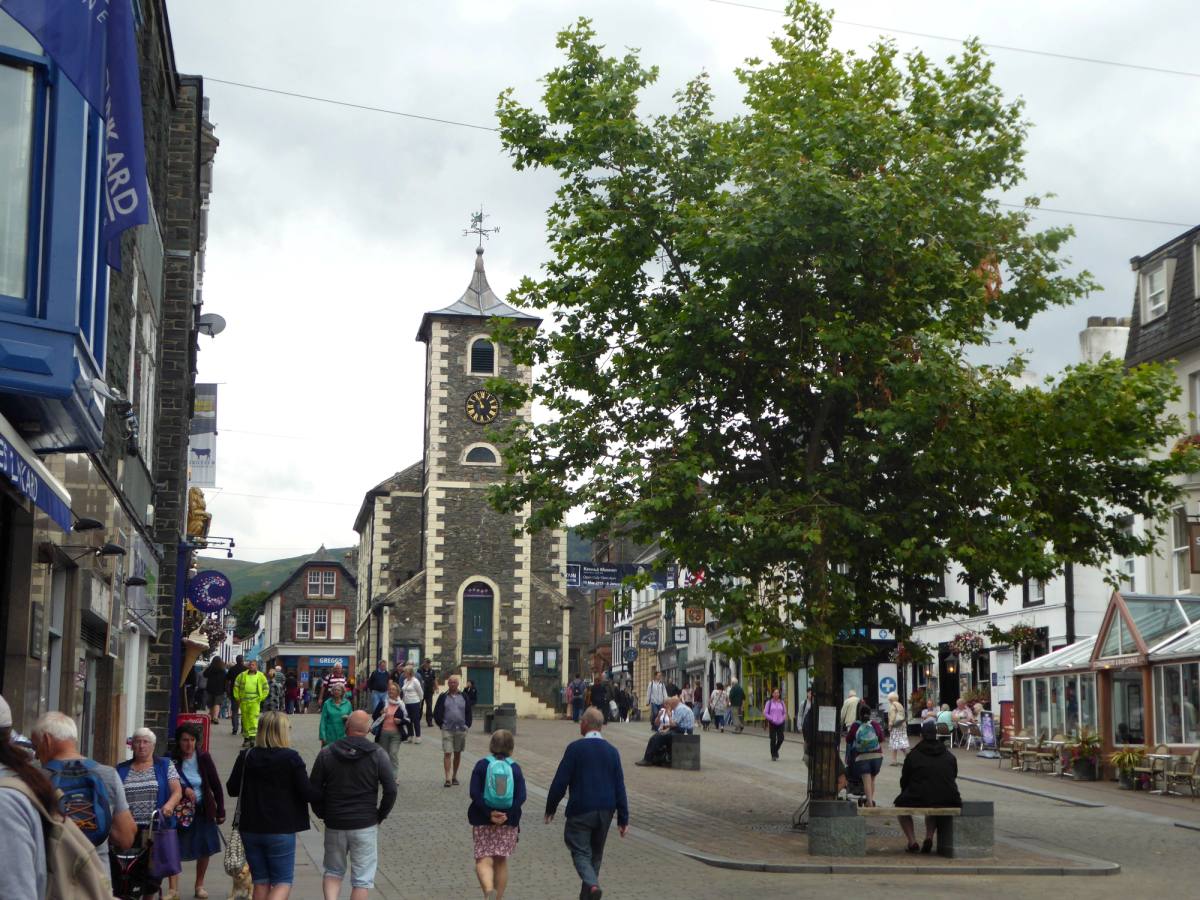
Then in the 1860s the building of the Cockermouth, Keswick and Penrith railway produced a dramatic increase, and the town began its transformation from a small market town into the place it is now.