
Street names give it away
Keswick has attracted great poets and artists for centuries, and it still shows in the town’s street names — Southey Street, Wordsworth Street.
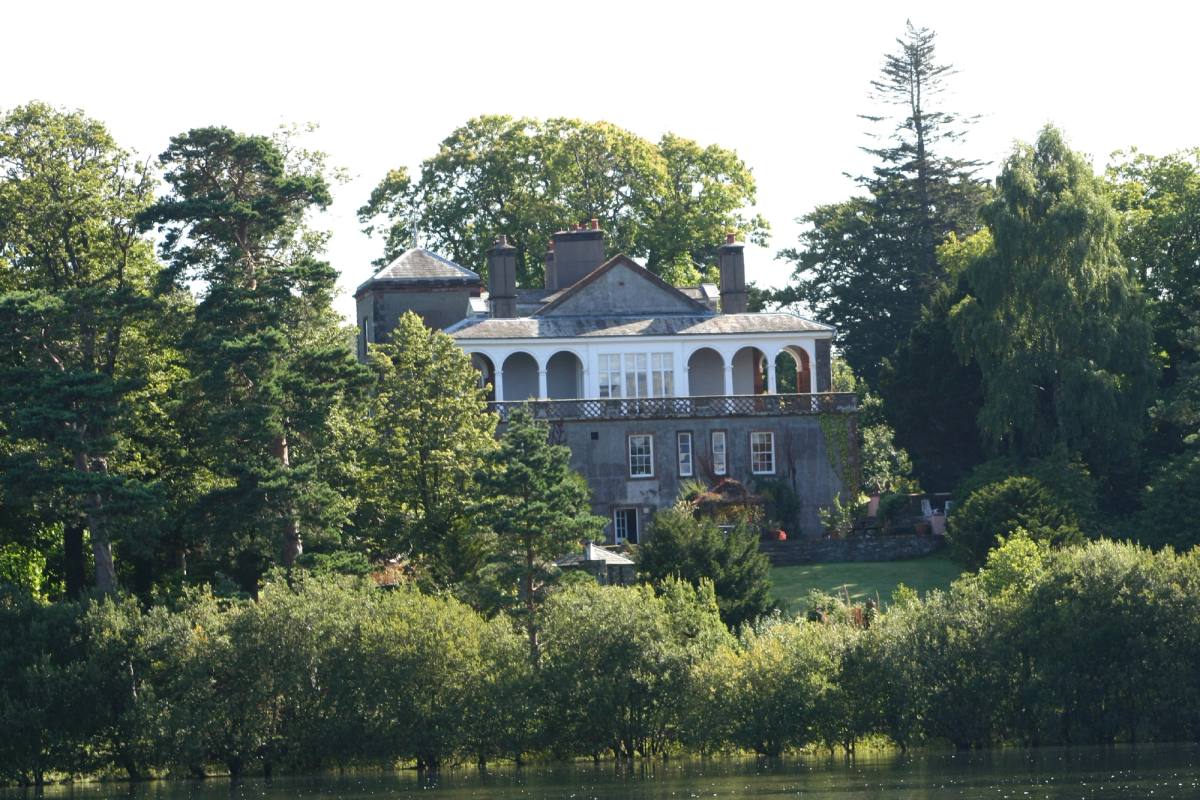
The guest book for one house reads like a Who’s Who of English literature. Greta Hall, the former home of the Lake Poets Samuel Taylor Coleridge and Robert Southey, is now a family home.
Southey on the view from his desk
“Perhaps the finest single spot in England, which commands a view of mountains and lakes and woods superior to that in which I am now writing.”
Robert Southey
Of Greta Hall, where he lived for forty years
Who came to stay
Greta Hall’s visitors included William and Dorothy Wordsworth, Lord Byron, Keats, Shelley, Sir Walter Scott, Ruskin, De Quincey and William Wilberforce.
Keswick is a good base for the places Wordsworth lived: a short journey west to his childhood home at Wordsworth House in Cockermouth, and south to Dove Cottage in Grasmere and Rydal Mount in Ambleside.
Wordsworth became Poet Laureate when Southey died in 1843. He refused at first, saying he was too old, and accepted only when the Prime Minister, Robert Peel, assured him "you shall have nothing required of you". Peel kept his word: Wordsworth is the only Poet Laureate never to have written any official poetry.
Beatrix Potter’s summers
Beatrix Potter was drawn to the Lake District by its landscapes, by the chance to indulge her love of nature, and by the Lakeland people. Between 1885 and 1907 the Potter family took their summer holidays at Lingholm and Fawe Park on the western shore of Derwentwater — both now private houses — where she spent many hours sketching the woods, gardens and landscape that were to appear in several of her books.
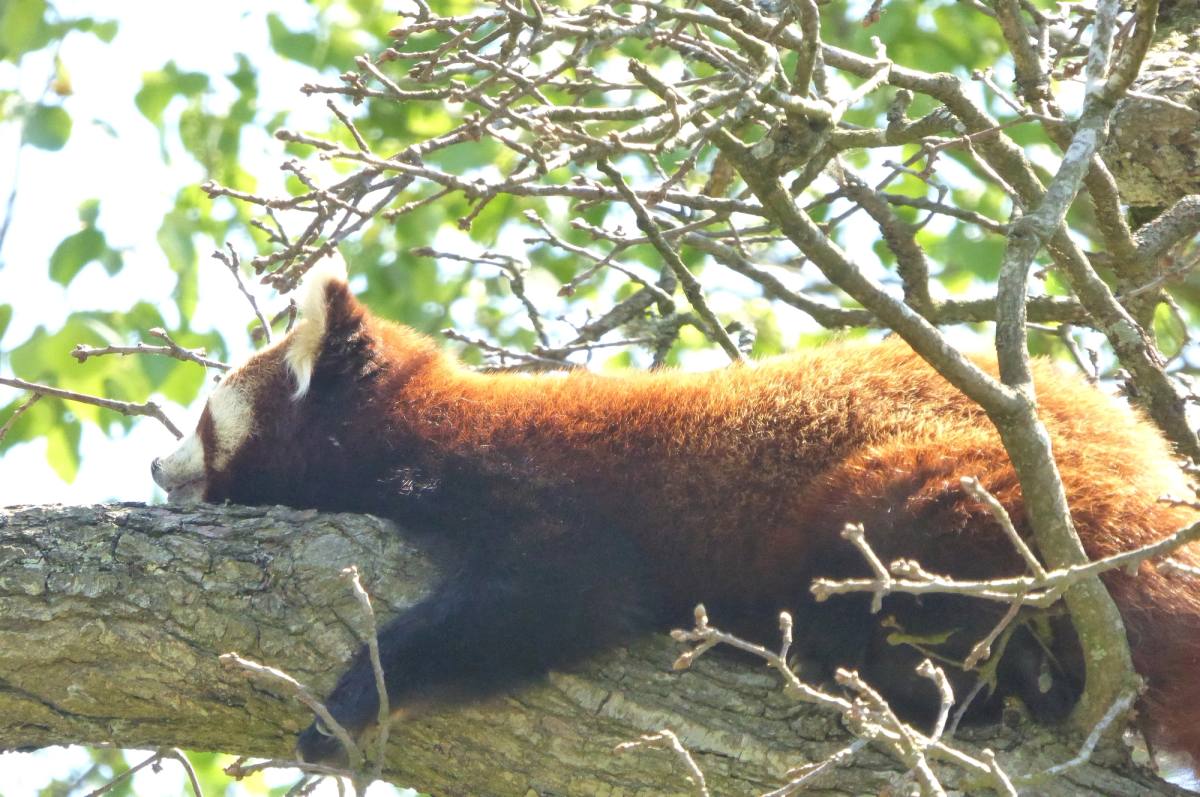
At Lingholm, just beyond Portinscale, the abundance of red squirrels — still there, in smaller numbers — is said to have inspired The Tale of Squirrel Nutkin.
Places you can recognise from the books
- Mr McGregor’s garden
The garden of Fawe Park, glimpsed from the footpath between Nichol End and Hawes End. A private house — the view from the path is the whole of it.
Derwentwater launchesFrom the path
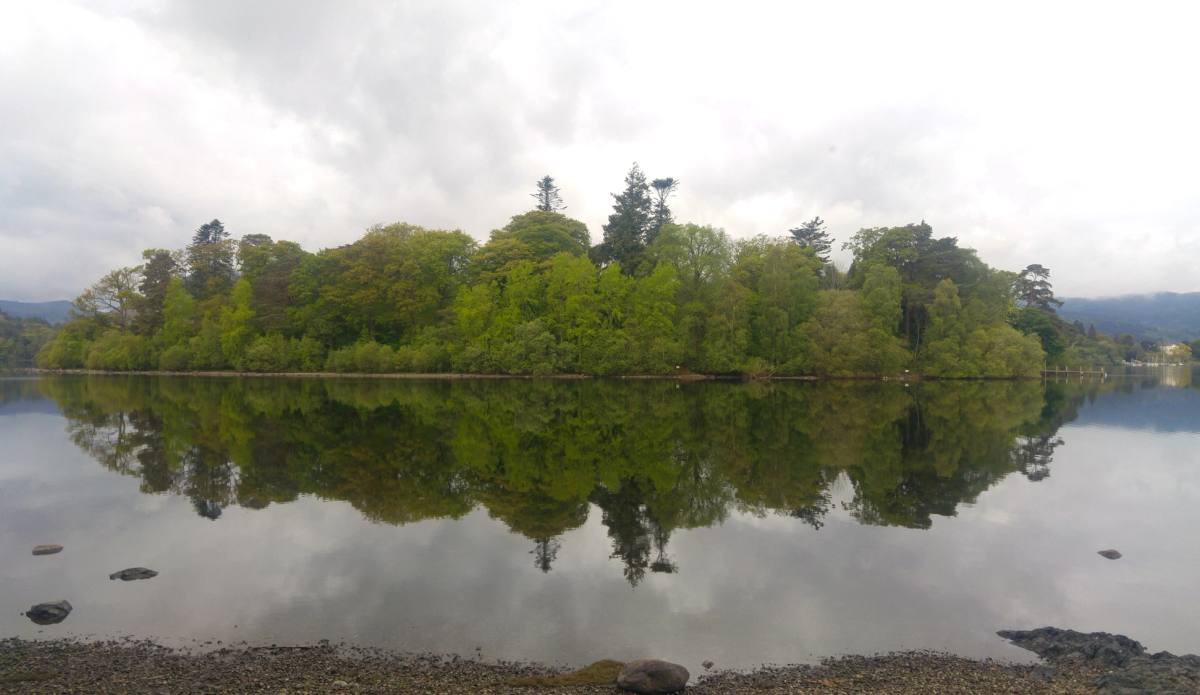
St Herbert’s Island in the middle of Derwentwater, and the setting for Squirrel Nutkin’s crossing. Best seen from the launch.
Read moreOn the water
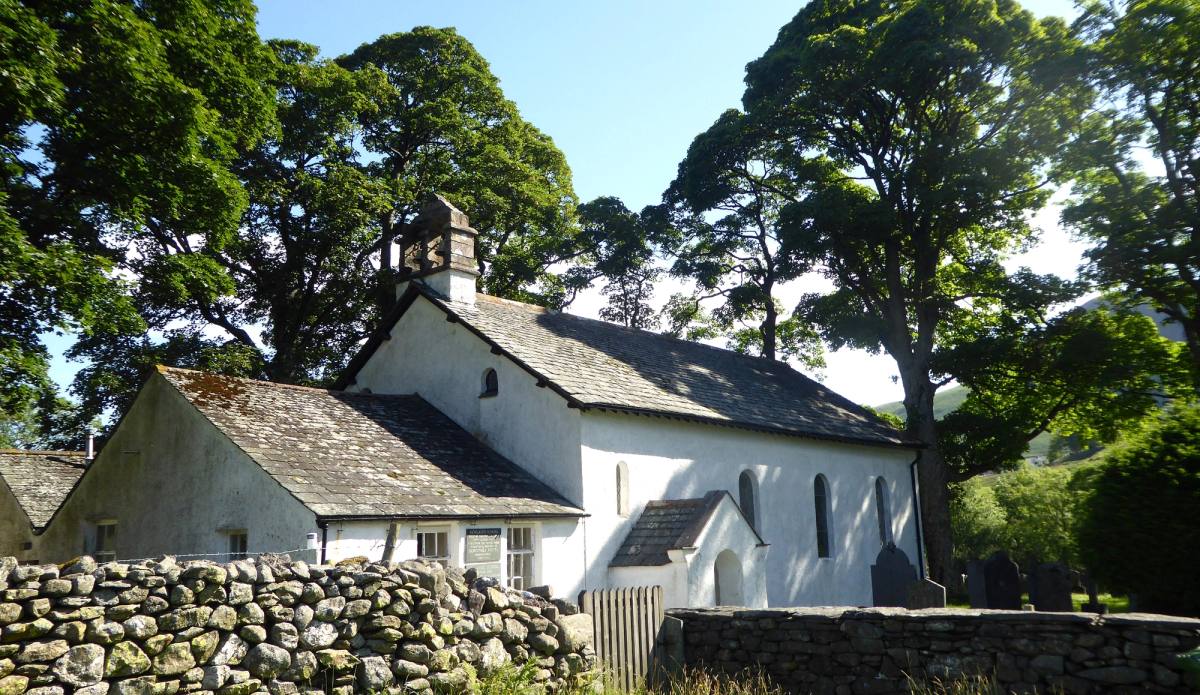
The Tale of Mrs Tiggy-Winkle uses the Newlands valley as its backdrop. Catbells, Skelgill and Littletown are all recognisable from the sketches, and Potter knew the vicar of Newlands church and his daughter Lucie Carr.
Read moreThree miles west
The farmer, and what she left
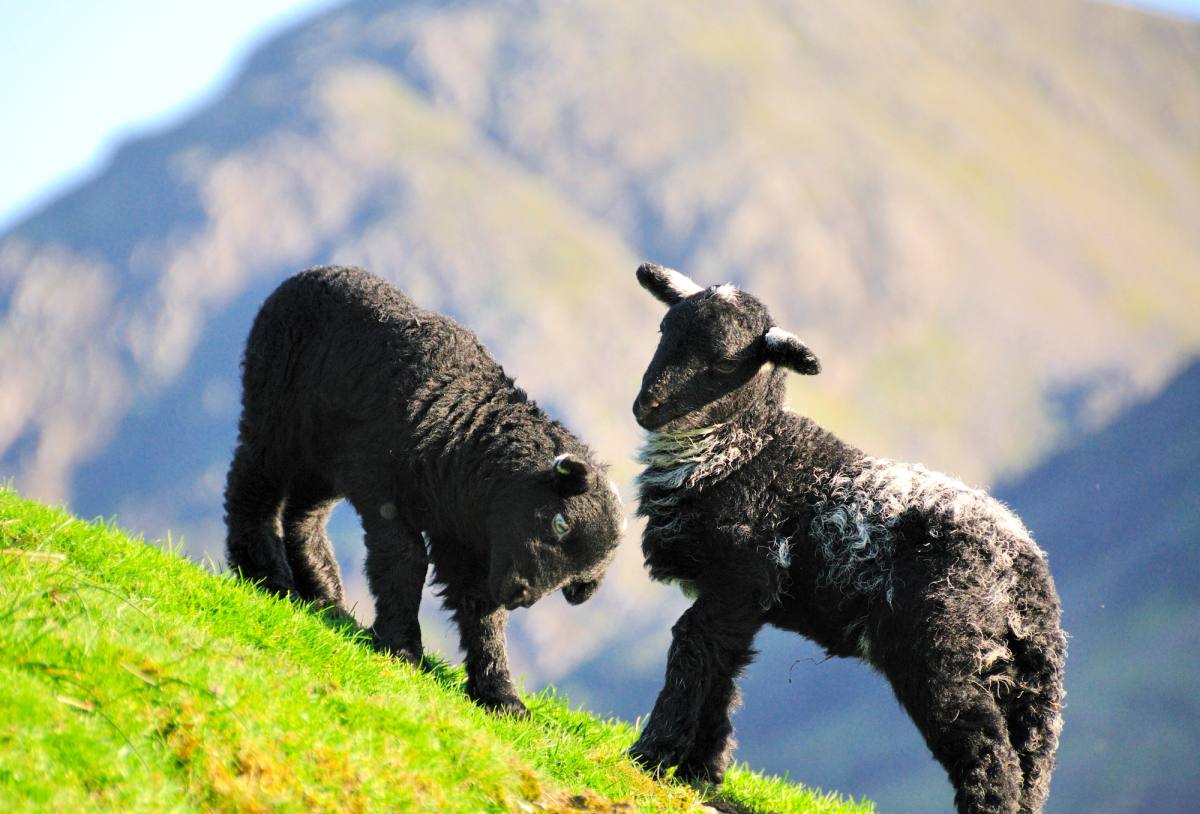
Later life afforded Potter little time for books. She became a substantial landowner and a farmer of Herdwick sheep, and a lifelong friend of the Rawnsley family — it was Canon Hardwicke Rawnsley, vicar of Wray and then of Crosthwaite, who helped to establish the National Trust and found in her a supporter.
When she died in 1943 she left the Trust fourteen farms, four thousand acres and the livestock on them.
Her home for thirty years, Hill Top near Sawrey, is about twenty-five miles from Keswick and can be combined with a visit to the World of Beatrix Potter at Bowness — a forty-five minute drive.