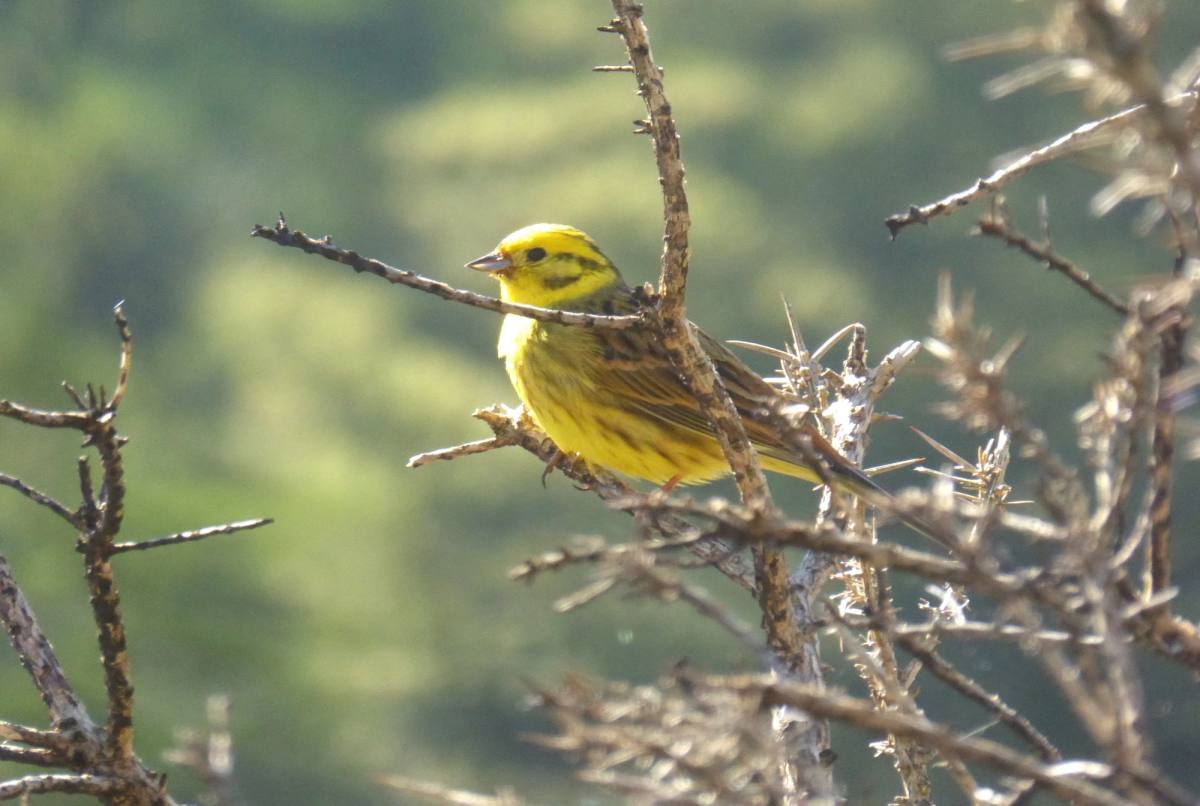

More than squirrels and sheep
Ask what wildlife a visitor might expect to see around Keswick and the answer is usually red squirrels, ospreys and a great many Herdwick sheep. There is a good deal more besides.
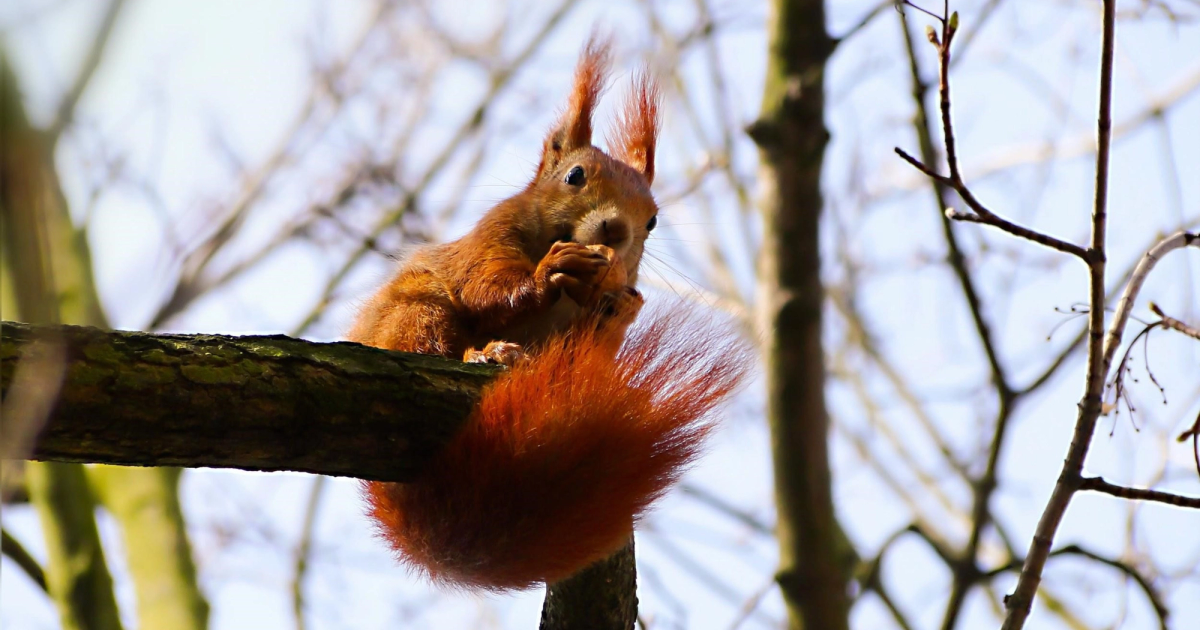
Red squirrels
Endangered here as everywhere, and best looked for in the conifers of Dodd Wood or Whinlatter Forest. Their survival is not guaranteed — Red Squirrels Northern England put the Cumbrian population at around five thousand, and their work monitoring and checking the advance of the greys is what stands between that number and a smaller one.
They ask the public to report sightings of both reds and greys, which is the single most useful thing a visitor can do about it.
Birds
Cumbria is rich in birdlife: over two hundred species are recorded in the county in any given year. In recent years many visitors have shared in the excitement of ospreys breeding in craggy woodland near Bassenthwaite Lake, and the Lake District Osprey Project has made them accessible — telescopes in Dodd Wood, and a webcam display at the Whinlatter visitor centre.
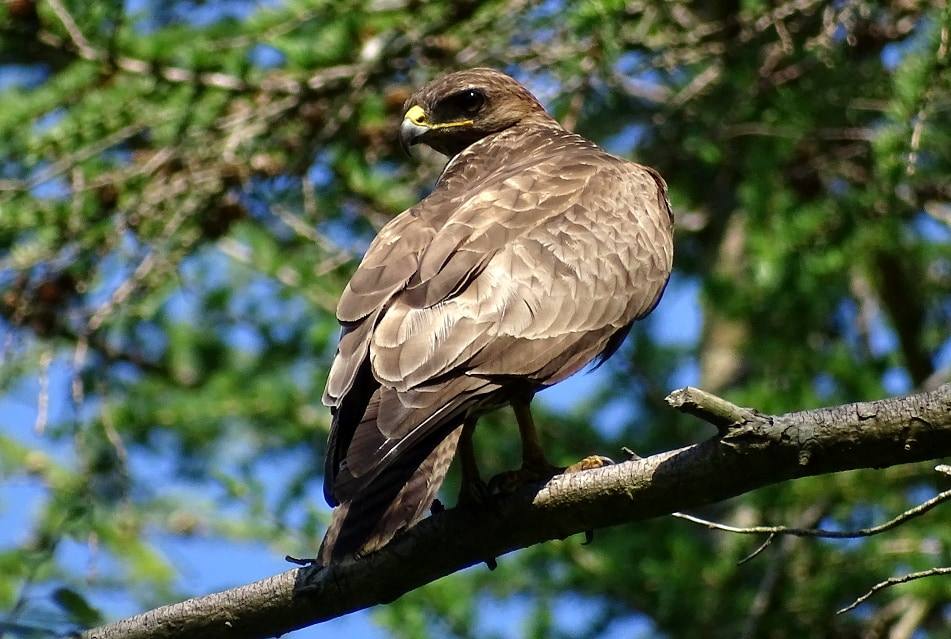
Ospreys are not the only large birds circling these fells. Look for buzzards, peregrines and kestrels.
Otters, deer and dragonflies
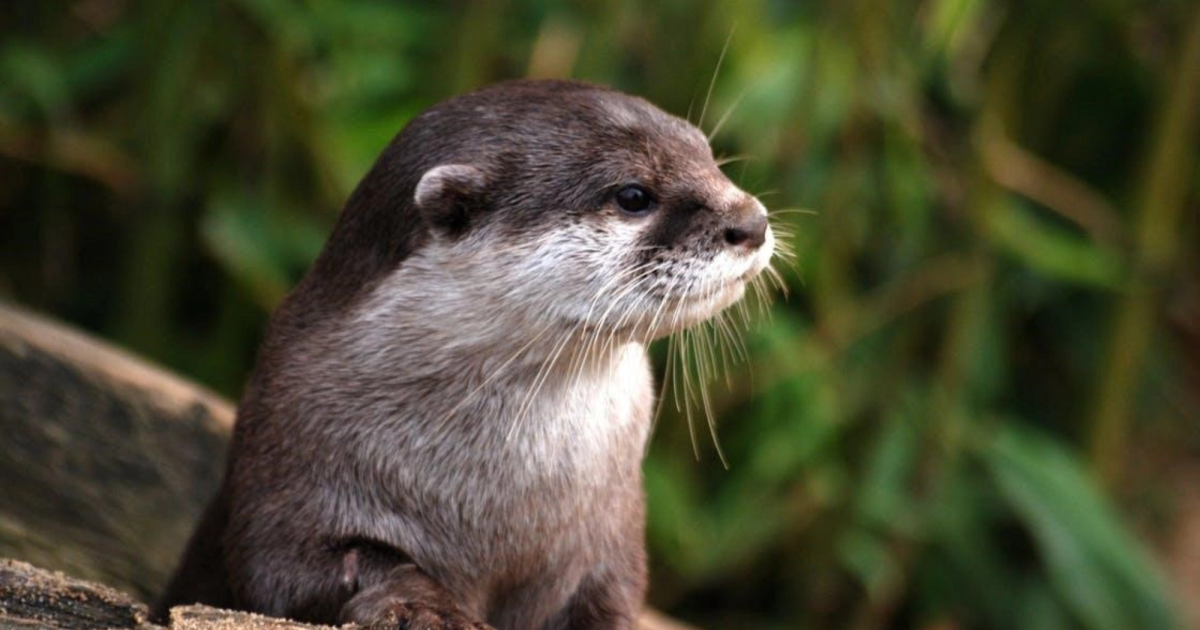
Otter numbers in Cumbria have grown encouragingly. By the 1980s they had almost disappeared, largely through toxins in pesticides; there are now growing numbers in the Eden Valley, on the Solway Plain and along the northern stretch of the west coast. Conservation work — building stone-wall otter holts among other things — appears to be reaping rewards.
Roe deer are common in the woods and quiet enough to be easy to miss. At Dubwath Silver Meadows the wetland brings dragonflies in numbers through the summer.
Plants, and the state of the paths
Cumbria’s flora is surprisingly rich for the latitude — over 1,300 species recorded, mainly because the habitats vary so much. The fells north of Keswick are acidic and support less than the southern coastal areas do, but the heather cover in late summer is spectacular, and rare lichens grow on rocks in the remoter parts of the north-western fells. Fungi are bountiful in the woods through autumn.
A major focus of conservation here is maintaining the balances across the whole landscape. Farming, mining and forestry have all left their mark, and today tourism has a very real impact: a walk along almost any footpath around Keswick will show signs of erosion. The Fix the Fells project raises funds for repairs and coordinates the volunteers who keep the paths open.
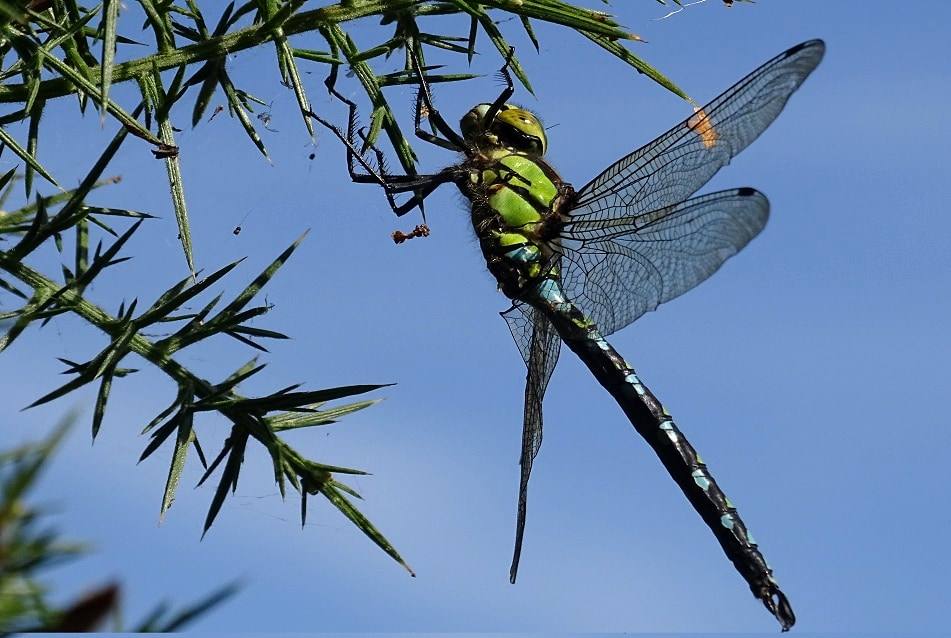
The photographs
With thanks to local photographer Daniel Quinn for sharing some of his wildlife photographs with us.